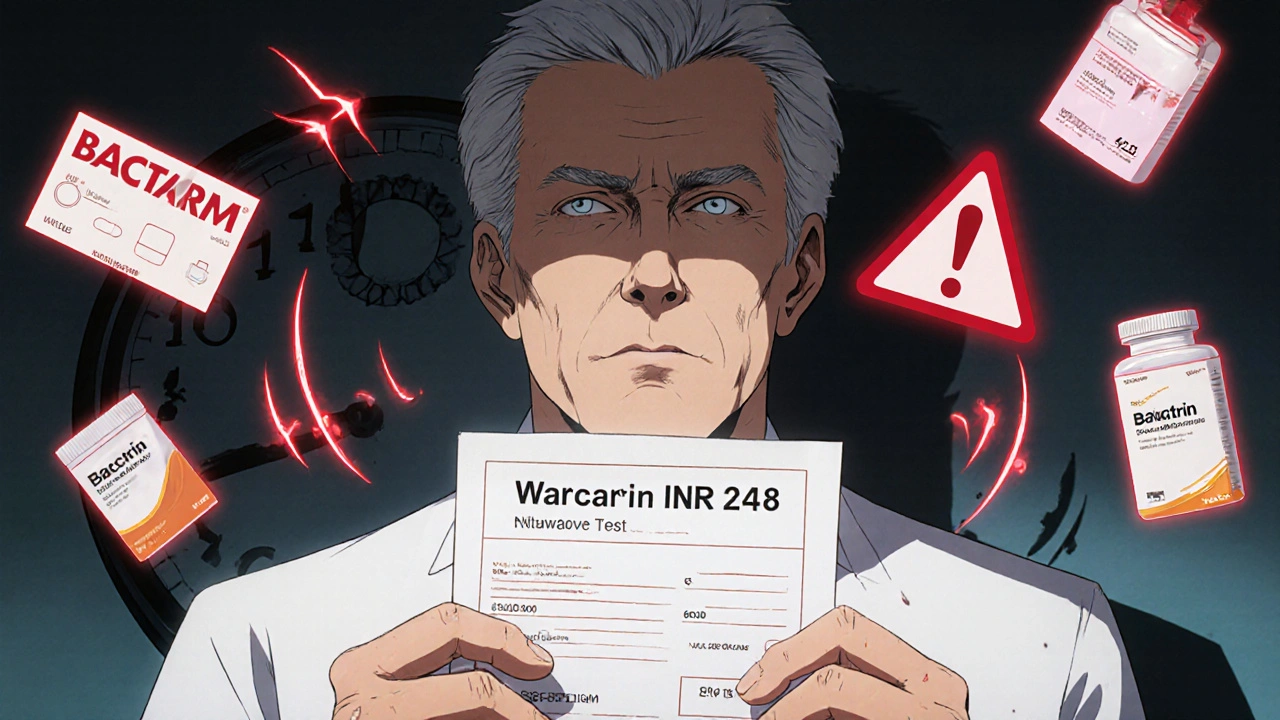
Warfarin Interactions: What You Need to Know About Dangerous Drug Clashes
When you take warfarin, a blood thinner used to prevent clots in people with atrial fibrillation, deep vein thrombosis, or artificial heart valves. Also known as Coumadin, it’s one of the most commonly prescribed anticoagulants—but it’s also one of the most dangerous if not managed carefully. Warfarin doesn’t just interact with other pills. It reacts with foods, herbs, and even changes in your body’s chemistry. A small mistake—like starting a new antibiotic or eating a big bowl of kale—can send your INR levels skyrocketing or crashing, leading to uncontrolled bleeding or a dangerous clot.
Many antibiotics, like metronidazole and fluconazole can make warfarin stronger, increasing your risk of internal bleeding. On the flip side, vitamin K, found in leafy greens like spinach and broccoli, weakens warfarin’s effect. Even over-the-counter painkillers like ibuprofen or naproxen can irritate your stomach lining and make bleeding more likely. And it’s not just drugs—supplements like garlic, ginkgo, or fish oil can add to the risk. Your INR, the test that measures how long your blood takes to clot, needs to stay in a tight range. Too high? You risk a stroke from bleeding inside your brain. Too low? You could get a clot that causes a heart attack or pulmonary embolism.
There’s no one-size-fits-all answer. What’s safe for one person might be deadly for another. That’s why regular blood tests and open talk with your pharmacist or doctor matter more than any warning label. The posts below cover real cases: how statins, antifungals, and even common cold meds can throw your warfarin out of balance. You’ll find practical advice on what to avoid, what to monitor, and how to spot early signs of trouble—like unusual bruising, dark stools, or sudden headaches. This isn’t theory. These are the mistakes people make every day, and the fixes that keep them alive.
Warfarin and antibiotics can dangerously interact, raising bleeding risk. Learn which antibiotics are high-risk, when to check your INR, and how to safely manage both without stopping either medication.
Read more