Drug Safety: Protect Yourself from Dangerous Interactions and Side Effects
When you take a medication, drug safety, the practice of using medications in a way that minimizes harm and maximizes benefit. Also known as medication safety, it’s not just about following the label—it’s about understanding what your body is really dealing with. Every pill, injection, or patch carries hidden risks: interactions with other drugs, unexpected side effects, or even misidentification of the medication itself. Millions of people end up in the ER each year not because they took too much, but because they didn’t know what they were mixing.
One of the biggest threats to drug safety comes from drug interactions, when two or more medications react in your body in harmful ways. For example, taking a common antifungal with a cholesterol drug can spike statin levels until your muscles start breaking down. Or mixing warfarin with certain antibiotics can turn a minor cut into a life-threatening bleed. These aren’t rare cases—they happen daily in homes, clinics, and pharmacies. Even something as simple as a nasal spray or a herbal supplement can throw off your entire regimen. medication errors—like confusing similar-sounding names or misreading dosages—are responsible for over 1.5 million preventable incidents every year in the U.S. alone. You don’t need to be a doctor to spot these. You just need to know what to look for.
Then there’s allergic reactions, the body’s immune system overreacting to a substance it shouldn’t. Most people think penicillin allergies are clear-cut, but studies show over 90% of people who say they’re allergic aren’t. The same goes for NSAIDs like ibuprofen—what feels like an allergy might just be intolerance. And then there’s the rare but deadly risk like methemoglobinemia from prilocaine, or angioedema from blood pressure meds. These aren’t just side effects—they’re warning signs that demand attention. medication side effects aren’t always listed clearly, and sometimes they show up weeks after you start taking something. Hair loss from a vitamin D analog? Fluid retention from stress hormones? These connections matter because they tell you your body isn’t just reacting—it’s screaming for help.
What you’ll find below isn’t just a list of articles. It’s a practical toolkit. You’ll learn how to check your meds for mistakes, spot dangerous combos before they happen, understand what real allergies look like, and know exactly when to walk into an ER. No fluff. No theory. Just what works when your life depends on getting it right.
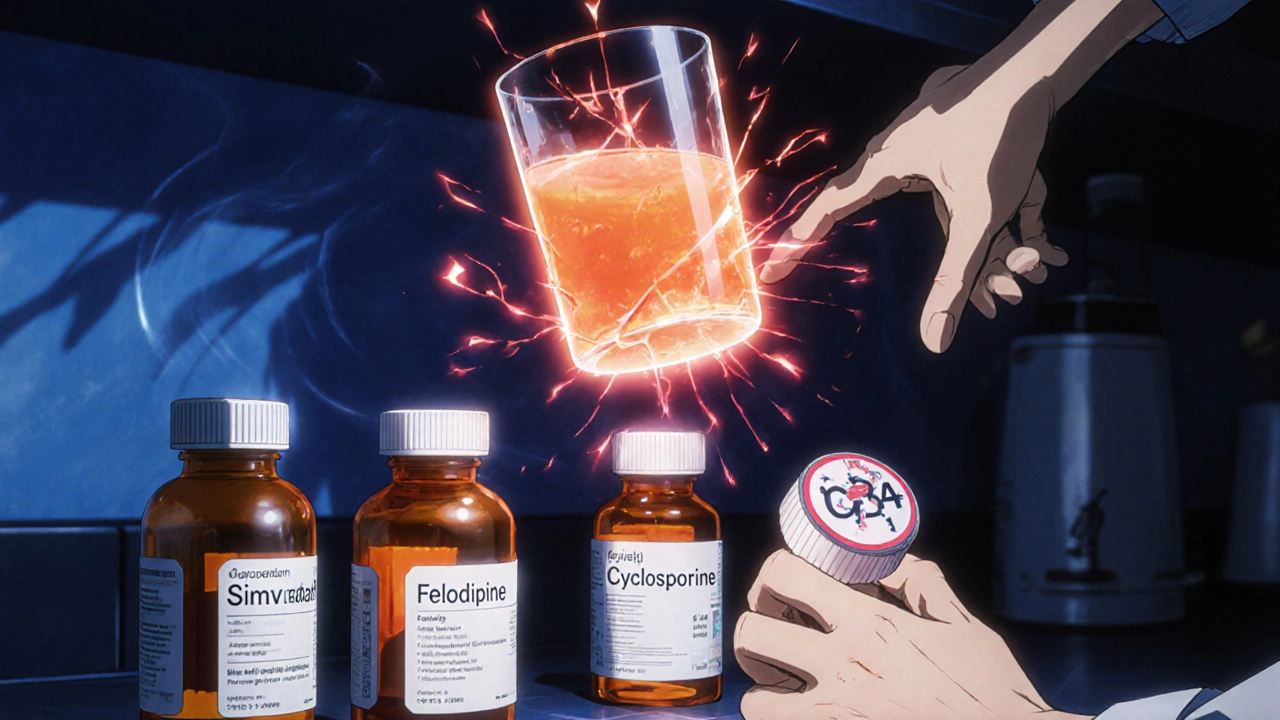
Grapefruit juice can dangerously increase levels of many medications, leading to serious side effects. Learn which drugs interact, why it happens, and how to stay safe.
Read more
FDA boxed warnings, or black box warnings, alert patients to serious, potentially life-threatening risks of certain medications. Learn what they mean, which drugs carry them, and how to stay safe without avoiding necessary treatment.
Read more