Ovarian Cancer Awareness: Signs, Risks, and What You Need to Know
When we talk about ovarian cancer awareness, the effort to educate people about the signs, risks, and importance of early detection of cancer that starts in the ovaries. Also known as ovarian tumor awareness, it’s not just about raising flags—it’s about saving lives before symptoms become severe. Ovarian cancer often hides in plain sight. Unlike breast or cervical cancer, there’s no simple screening test. That’s why knowing your body and recognizing subtle changes matters more than ever.
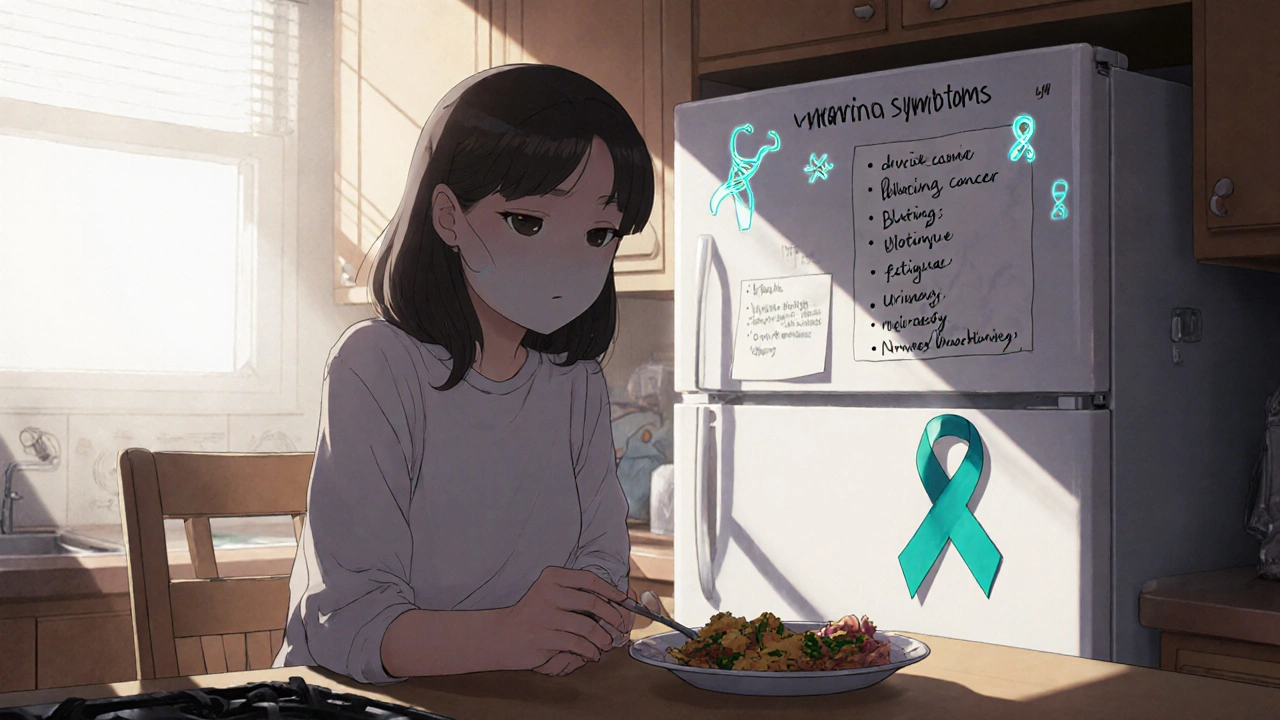
Many women don’t realize the early signs: bloating that won’t go away, pelvic pain, feeling full fast when eating, or needing to pee more often. These aren’t just "bad days." They’re red flags that get ignored because they look like digestion issues or stress. But when they last more than two weeks, they’re worth checking out. ovarian cancer risk factors, conditions or habits that increase the chance of developing ovarian cancer include age (especially after 50), family history of breast or ovarian cancer, BRCA gene mutations, and never having given birth. Even hormone replacement therapy or obesity can raise your risk. It’s not about blame—it’s about awareness.
And when someone is diagnosed, cancer survivorship, the phase of life after cancer treatment that focuses on long-term health, emotional recovery, and managing late side effects becomes just as important as the initial treatment. Survivors need follow-up care, mental health support, and guidance on nutrition and activity to rebuild strength. Many of the posts in this collection cover how medications, lifestyle, and ongoing monitoring play into long-term recovery—because surviving cancer isn’t the end, it’s a new chapter.
There’s no magic pill for prevention, but knowledge is power. If you’ve had unexplained symptoms for weeks, talk to your doctor. If you have a family history, ask about genetic testing. If you’re supporting someone through treatment, know what to expect. This collection brings together real, practical advice from pharmacists and clinicians—on drug interactions, managing side effects, nutrition after treatment, and how to ask the right questions. You won’t find fluff here. Just clear, usable info that helps you act before it’s too late.
Ovarian cancer is often silent until it's advanced. Learn the real symptoms, how to support someone diagnosed, and simple ways to help raise awareness and fund better early detection research.
Read more