
Glaucoma & Allergy Med Safety Checker
Disclaimer: This tool provides general guidance based on common medical knowledge about glaucoma interactions. Always consult your ophthalmologist before changing your medication regimen.
Step 1: What is your current eye profile?
Step 2: Which ingredients are in your allergy remedy?
Select ALL ingredients listed on the active ingredients panel (Front and back of the box).
Common Antihistamines
Decongestants & Others
Long-term use (>10 days) carries risk.
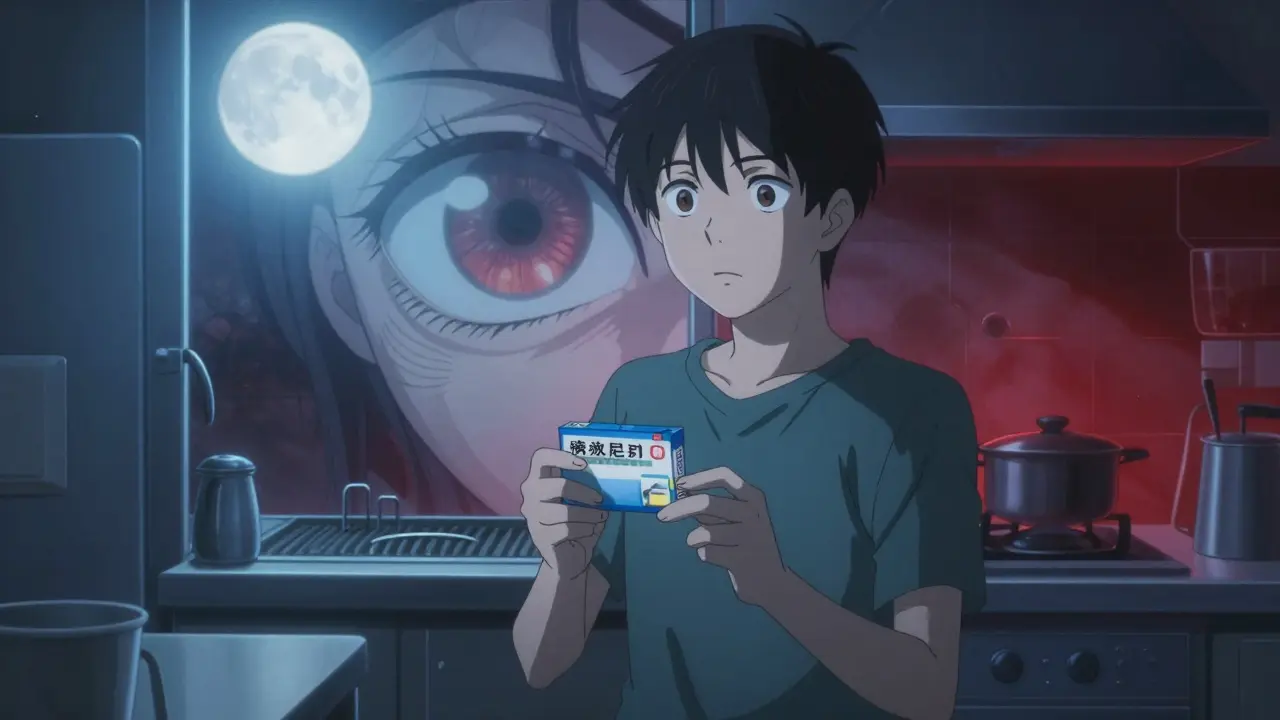
You grab that box of allergy relief off the shelf, expecting nothing worse than a little drowsiness. You pop the pill, but weeks later, your eye pain becomes unbearable, and an emergency room visit reveals something shocking. This isn't just a hypothetical nightmare. Glaucoma is a serious eye condition where optic nerve damage occurs, often linked to high pressure inside the eye. When you mix certain over-the-counter medicines with this condition, specifically narrow-angle glaucoma, you risk triggering a sight-threatening emergency known as acute angle-closure. It sounds technical, but the reality is simpler than it looks: some pills dilate your pupils, which can physically block the eye's drainage system.
The connection between antihistamines and glaucoma is not immediately obvious on a medicine label. Most patients assume their allergy medication is harmless unless they are told otherwise. However, statistics paint a different picture. According to the Glaucoma Research Foundation, approximately 10 to 15 percent of all glaucoma cases involve narrow-angle configurations. That means millions of people walk around with eyes prone to blockage, unaware of the specific chemical triggers that could set off an attack. If you have never had your eye angles measured, you might not know if you belong to this vulnerable group. Understanding the mechanics helps you avoid a situation where temporary symptom relief leads to permanent vision loss.
The Critical Difference Between Glaucoma Types
You cannot assess medication risks without knowing your specific diagnosis. Not all eye pressure problems react the same way to drugs. Think of your eye like a sink with a drain plug. In primary open-angle glaucoma, which makes up about 70 percent of cases, the drain works fine, but water flows too slowly. Medication affects this type less aggressively. Conversely, in narrow-angle glaucoma, the drain itself is barely accessible. It is tucked away behind the iris, making it easy for things to block the exit path completely.
This anatomical difference changes everything regarding treatment choices. Primary open-angle glaucoma generally remains stable even with minor pressure fluctuations caused by standard allergy meds. However, Narrow-angle glaucoma, sometimes called angle-closure glaucoma, creates a ticking time bomb. The space where fluid drains is so tight that even a slight widening of the pupil pushes the iris against the drainage channel, sealing it shut instantly.
If you have had laser surgery like peripheral iridotomy or cataract removal, your risk drops significantly because those procedures artificially widen the drainage angle. Yet, many people do not undergo these procedures until after symptoms appear. Without definitive testing, you are essentially guessing whether your eye structure tolerates specific drugs. This uncertainty drives the need for caution rather than fear. Knowing your status allows you to navigate the pharmacy aisles safely instead of avoiding necessary treatments unnecessarily.
How These Medications Physically Trigger Attacks
Why do allergy pills cause this problem? It comes down to how your body processes chemicals affecting smooth muscle tissue. Antihistamines are designed to block histamine receptors to stop sneezing and itching. But in the process, older versions of these drugs often possess anticholinergic properties. Your eye's internal muscles respond to this chemical signal by relaxing, which causes the pupil to dilate-a phenomenon called mydriasis. In a healthy eye, dilation happens naturally in dim light without issue. In a narrow-angle eye, that expanded iris folds forward like a curtain, covering the meshwork where fluid exits.
Once the drainage stops, pressure inside the eyeball spikes rapidly. This event is called acute angle-closure glaucoma. Patients describe the onset as sudden, severe eye pain often accompanied by headaches and blurred vision. Sometimes, you might see rainbow-colored halos around lights. This is not a gradual decline; it is an acute crisis requiring immediate medical intervention. Research published in the PMC database highlights that factors like age and gender increase vulnerability. Older individuals and females face higher risks due to anatomical differences in lens position. Some studies suggest daily use of SSRIs, often prescribed for anxiety or depression alongside allergy management, increases the likelihood of closure events by nearly six-fold in susceptible populations.

Medications To Avoid If You Have Glaucoma
Not every cold or flu remedy carries the same weight. First-generation antihistamines are the biggest culprits here. They cross the blood-brain barrier easily and impact more than just allergy symptoms. When shopping for relief, check the ingredient list closely. Ingredients like diphenhydramine, chlorpheniramine, and hydroxyzine carry significant warnings for those with narrow eyes. These drugs are commonly found in products marketed for sleep aid or nighttime allergy relief. The sedative effect often masks the danger, leading users to believe they are taking a safe, gentle option.
Decongestants present another hidden hazard. Many combination medicines pair an antihistamine with a vasoconstrictor like pseudoephedrine or phenylephrine. These ingredients shrink blood vessels to clear nasal passages but inadvertently raise intraocular pressure. They are particularly problematic if used continuously. Even topical steroids used in nasal sprays for chronic inflammation can elevate eye pressure over time. Long-term use beyond ten days without monitoring is often flagged by ophthalmologists as a red flag. The mechanism involves protein accumulation that clogs the trabecular meshwork, effectively choking the drainage system slowly rather than acutely.
| Ingredient Class | Common Names | Risk Level (Narrow Angle) | Primary Effect |
|---|---|---|---|
| First-Generation Antihistamines | Diphenhydramine, Chlorpheniramine | High | Pupil dilation, angle closure |
| Decongestants | Pseudoephedrine, Phenylephrine | High | Increased intraocular pressure |
| Corticosteroids | Hydrocortisone, Prednisolone | Moderate (Long-term) | Fluid retention, pressure buildup |
| Second-Generation Antihistamines | Loratadine, Fexofenadine | Low | Minimal pupil effect |
Beyond standard allergy relief, other prescriptions overlap dangerously. Anti-nausea medications like promethazine share the same anticholinergic pathway. Migraine treatments such as sumatriptan can induce transient pressure spikes. Even botulinum toxin injections around the eyes, popular for cosmetic reasons, have been observed to increase pressure in sensitive patients. The takeaway is straightforward: anything that dilates the pupil or alters fluid dynamics requires professional clearance if you suspect you have narrow angles.
Safer Alternatives For Managing Allergies
You do not have to suffer through allergy season without relief. Modern pharmacology offers options that spare the delicate structures of your eye. Second-generation antihistamines generally avoid the heavy-handed side effects of their predecessors. Drugs like loratadine, cetirizine, and fexofenadine interact minimally with the autonomic nervous system controlling the iris. While no medicine is 100% guaranteed risk-free for every individual, clinical data supports these as safer choices for monitored patients.
Nasal irrigation provides another route entirely outside systemic circulation. Saline rinses wash out allergens without introducing chemicals into your bloodstream. Intranasal corticosteroid sprays exist but require strict adherence to dosage limits to prevent pressure spikes. Always discuss duration limits with your doctor. Some specialists recommend limiting topical steroid courses to under ten days before rechecking eye pressure. Additionally, treating underlying inflammation reduces the need for frequent dosing. Lifestyle adjustments matter too. Using air filters, keeping windows closed during high pollen counts, and showering before bed reduces the total medication load your body handles.
For those with confirmed narrow angles who have undergone laser iridotomy, the safety window widens considerably. The procedure creates a small hole in the iris to allow fluid to bypass the blocked angle. Once patency is confirmed, most patients regain freedom to use standard OTC medications. However, documentation from your specialist serves as your proof. Without that paperwork, assuming safety is a gamble you shouldn't take.
Steps To Verify Your Safety Before Buying
The responsibility falls partly on you to manage this interaction. Pharmacists cannot screen for your specific eye anatomy. Walking into a store means checking the label yourself. Look for keywords like "non-drowsy" or "long-acting," which often indicate newer formulations, though this is not a guarantee of safety. If you are unsure, ask your optometrist during your annual exam. This question should become part of your routine health intake.
Keep a record of your glaucoma type. Write "Open Angle" or "Narrow Angle" clearly on your medication card. Emergency room doctors often work on shift and may not access your full history quickly. Having this information visible saves vital time if symptoms arise. Symptoms to watch include sudden headache, vomiting, and blurry vision. Ignoring these signs assumes the worst-case scenario has passed. It has not. Rapid treatment preserves your sight.
Regular monitoring is essential regardless of current stability. Aging shifts the lens forward naturally, narrowing angles over decades. Someone with safe eyes at thirty might develop narrow angles at fifty. Annual checks detect these changes before medications become a trigger. Early detection via gonioscopy-a test mapping the angle width-prevents crises before they start.
Can I take Benadryl if I have glaucoma?
Benadryl contains diphenhydramine, which is an anticholinergic medication. If you have narrow-angle glaucoma, it can cause pupil dilation and lead to an acute attack. People with open-angle glaucoma usually tolerate it better, but consultation with your eye doctor is always recommended before taking it.
Are nasal steroid sprays safe for eye pressure?
Steroid sprays can raise eye pressure if used long-term. Limit use to short bursts of under ten days and get your eye pressure checked afterward if you experience vision changes.
What are the symptoms of acute angle-closure?
Symptoms include intense eye pain, headache, blurred vision, seeing halos around lights, and nausea or vomiting. These require immediate emergency care.
Does laser surgery eliminate the risk?
Laser peripheral iridotomy significantly reduces the risk by opening a new drainage path. However, regular follow-ups remain necessary to confirm the hole stays open.
Which allergy meds are safest for glaucoma patients?
Second-generation antihistamines like Claritin (loratadine), Zyrtec (cetirizine), and Allegra (fexofenadine) typically have fewer effects on eye pressure compared to older brands.
Knowledge protects you. Knowing the specific interaction between your eyes and your medicine cabinet empowers you to treat allergies without compromising your vision. The market keeps expanding with new products, but the fundamental biology of the eye remains the same. Protect that delicate balance by prioritizing communication between your doctors. Your prescription for peace of mind is simply understanding the risks and preparing accordingly.





Comments
This is definitely something people need to know about. Many folks grab Benadryl without thinking twice about their history :) Having a family member deal with eye pressure makes this super important. Thanks for putting this information together so clearly.
glaucoma studies funded by big pharma hiding true mechanism of histamine suppression. iocp spikes linked to preservatives not active ingredient. narrow angle theory pushed to sell laser procedures to vulnerable elderly populations. dont trust labels check raw ingredient lists for parabens instead. they want dependency cycle not cure
You seem confused about basic ocular pharmacology. The iris sphincter muscle isn't just a simple switch. Anticholinergic drugs relax this specific smooth tissue layer. It creates a physical blockage in the anterior chamber angle. Your paranoid take ignores established clinical trial data entirely. Doctors do not hide cures; they manage chronic structural risks. Narrow angles are anatomical flaws present from birth mostly. Pharmacology simply exacerbates existing physiological defects here. Blaming big pharma misses the human biology aspect completely. We see cases daily where patients skip eye exams unnecessarily. Fear mongering stops people from getting proper screenings. That delay causes actual permanent damage to the optic nerve. Knowledge allows informed consent regarding medication choices safely. Stop spinning narratives when science offers clear mechanical explanations. Read the study links provided in the original post carefully.
thanks for sharing this info its really helpful for me to know what to watch out for
I alwys thought allergy medz were safe till reading this. Its crazy how our bodies react diffrently to things we eat or swallow. I wonder if my mom has narow angles since she gets bad headaches sometimes. Glad you made the connection clear for everyone else too.
The assumption that personal anecdotal evidence supersedes clinical data is flawed. Anatomical variance dictates risk factors regardless of subjective experience. Immediate testing is required rather than conjecture. Safety protocols must remain rigorous for public health maintenance.
hey everyone keep in mind that there are plenty of options out there that work great without the risk. stay safe and always check with your doc first before trying new stuff. you got this!
Correct regarding therapeutic alternatives available in current markets. Second generation compounds demonstrate favorable pharmacokinetic profiles relative to ocular physiology. Patients should engage proactive dialogue regarding dosage regimens. Systemic absorption rates vary significantly across demographic groups.
This is such an important topic!!! Why don't more people talk about this?! I'm going to check my own meds tonight!!! Everyone please read the table carefully!!!! Stay healthy!!!
Reading through the details helps us understand the boundaries of medication safety better. It is good to maintain awareness about potential side effects without causing panic. Keeping records of prescriptions ensures continuity of care during emergencies.
oh sure take the pills then pop your eyes out 👁️🙄. doctors love making us scared so we buy their expensive tests. thanks for the warning tho 🙃.
Medical literature clearly distinguishes between open and narrow angle types. Acute attacks require distinct emergency protocols compared to chronic pressure issues. Diphenhydramine remains contraindicated for the specific narrow configuration group. Second generation options lack the potent anticholinergic receptor binding activity. Nasal sprays carry systemic absorption risks if used too frequently. Monitoring intraocular pressure remains essential during any steroid treatment course. Patients often confuse allergy relief duration with safety parameters. Ten day limits exist for good reason regarding trabecular meshwork function. Laser iridotomy changes the dynamics significantly for most individuals. Post-procedure clearance papers validate your safety window effectively. Ignoring specialist documentation invites unnecessary complications later. Regular gonioscopy checks track lens progression over aging decades. Early detection prevents the sudden sight loss described earlier. Pharmacist warnings are generic while doctors provide specific anatomy reports. Always prioritize specialized clearance before starting new systemic medications.
Different cultures handle health education differently. In some regions screening for eye conditions is routine early on. Sharing this knowledge crosses borders easily. Awareness saves lives globally.
I've heard stories about this happening to older relatives. Just keeping it in mind helps everyone stay safer around the house :) Checking labels is a small habit that pays off big time.
It is scary to think about losing vision due to common cold medicine. Being proactive about health checks gives us peace of mind 😊. Let's all look out for each other and share this info widely.