

Quick Summary
- MedWatch is the official program for reporting drug problems to the FDA.
- Patients and doctors can report voluntarily; pharmaceutical companies have strict mandatory timelines.
- Reports require specific details like patient info, drug name, dosage, and event timeline.
- The FDA Adverse Event Reporting System (FAERS) database holds over 30 million reports to track safety signals.
- Complete reports with lab values and clear timelines are more likely to trigger safety investigations.
Why Reporting Matters More Than You Think
You might take a medication daily without ever thinking about the surveillance systems watching your safety. But once a drug leaves clinical trials and hits the shelves, the real testing begins. This phase is called post-marketing surveillance. It relies entirely on people like you and me noticing things that went wrong. If you've ever felt something was "off" after starting a new prescription, ignoring it means missing a chance to protect others. The U.S. Food and Drug Administration (FDA) needs these eyes and ears because lab tests simply cannot catch every rare or long-term side effect before approval.
The system exists to find hidden dangers. When enough people report similar issues, safety officials connect the dots. They look for patterns that suggest a risk wasn't seen during the original trials. For example, thousands of patients taking a specific antibiotic might report joint pain. Alone, one case looks random. Together, they signal a potential problem that could lead to a label change or even a market withdrawal. Your report isn't just a formality; it is raw data that contributes to the public health shield.
Understanding the Core Systems
To navigate this process effectively, you need to understand the machinery behind it. Most confusion comes from mixing up the reporting tools with the database itself. The primary tool for you to use is the MedWatch program. Launched in 1993, this is the central hub where anyone-a consumer, a doctor, or a dentist-can submit safety concerns directly to the agency. It acts as the front door for all voluntary safety intelligence.
Behind that door lies the FDA Adverse Event Reporting System (FAERS).This massive database stores everything submitted. As of early 2023, it contained over 30 million distinct reports dating back decades. It processes roughly 2 million new entries every year. While the names sound bureaucratic, their relationship is simple: you use MedWatch to send information, and that information lands in FAERS where analysts review it for patterns. Analysts use specific medical coding languages like MedDRA to categorize what happened, ensuring that different terms for the same symptom get grouped together correctly.
Who Must Report and Who Should Report
The rules change depending on who you are standing on the side of the table. It is vital to know your role because the penalties and procedures differ wildly.
| Stakeholder | Requirement Type | Timeframe for Serious Events |
|---|---|---|
| Consumers / Patients | Voluntary | No specific legal deadline |
| Healthcare Professionals | Voluntary (Mandatory for Vaccines) | As soon as possible |
| Pharmaceutical Companies | Mandatory (Required) | Within 15 calendar days |
If you are a regular person, you aren't breaking any laws if you don't report. However, federal law requires certain healthcare professionals to report specific safety issues, particularly regarding vaccines under the National Childhood Vaccine Injury Act. For the drugmakers, the stakes are much higher. Under regulation 21 CFR 314.80, they must report serious and unexpected events within 15 calendar days of learning about them. Failure to do so costs millions in fines and invites intense scrutiny.
Step-by-Step Guide to Filing a Report
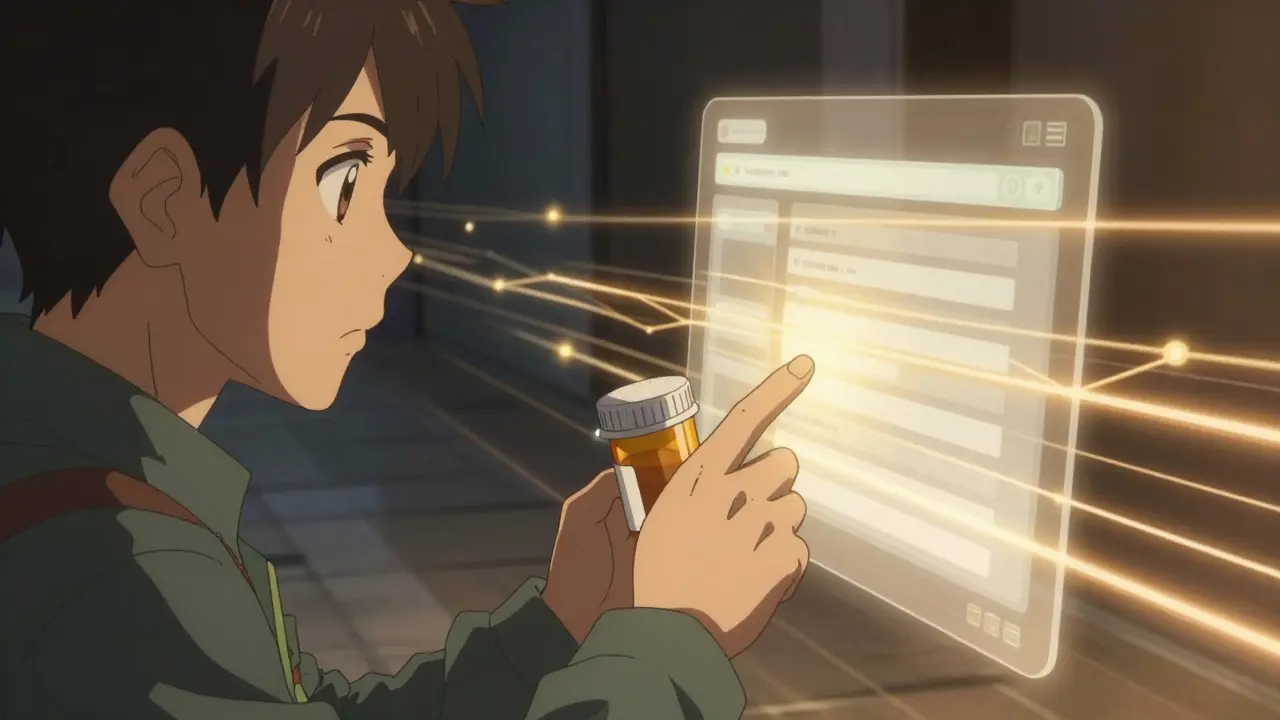
Filling out a safety report sounds daunting, but the FDA has made it accessible online. The most direct route is using the MedWatch Online Reporting Form. Here is exactly how to handle it so your submission gets flagged quickly.
- Prepare Your Documents: Before logging in, gather the prescription bottle, medical records, or photos of the product. Having the exact lot number and expiration date helps investigators trace manufacturing issues.
- Select the Correct Form: Consumers and doctors usually start with Form 3500A. If you need to provide very detailed clinical history, there is a longer version available, but keep the basic form as your priority.
- Enter Patient Demographics: Provide age, gender, and weight. Avoid putting your full home address or social security number unless required, but include enough contact info for follow-up questions.
- Describe the Product: List the brand name, generic name, strength (like 50mg), and how long you took it. Indicate if you were being treated for a specific condition or if it was self-administered.
- Narrate the Event: This is the most critical part. Use the "Adverse Event Description" field. Note when symptoms started, how they progressed, and what the outcome was (did you recover? were you hospitalized?).
- Submit Securely: The system generates a Report ID immediately. Save this number. Incomplete reports can be saved for up to three days, allowing you to gather missing lab results without losing your progress.
Crafting a Report That Gets Investigated
Safety evaluators receive thousands of reports. Some get a quick glance, while others launch deep investigations. The difference usually lies in the quality of the data. A vague note saying "stomach hurt after pill" is harder to analyze than a detailed timeline showing the symptom appeared two hours after ingestion. Reports that include specific laboratory values-like liver enzyme levels-are significantly more likely to prompt further action. They confirm the severity medically rather than relying solely on a description.
Timing is also key. Clearly state the date the drug started, the date the drug stopped, and the date the reaction began. If you had other medications involved, list those too. Confusion often arises when multiple drugs interact. Distinguishing which product caused the issue helps the FDA isolate the culprit. Additionally, mentioning whether the reaction resolved after stopping the drug provides essential confirmation for the safety team.
The Role of Signal Detection and Regulations
You might wonder what happens after you hit submit. Your entry joins the FAERS database, where statistical algorithms scan for unusual spikes. This process is known as signal detection. If the Proportional Reporting Ratio shows a statistically significant increase in a specific side effect compared to historical averages, the FDA launches an investigation.
It is important to remember the system's limitation: it does not prove causation. Just because you took a drug and then got sick doesn't mean the drug caused the illness. These databases identify associations. Establishing true cause-and-effect requires epidemiological studies later on. However, identifying the association is the first step to protecting the public. Once a strong signal appears, regulators may mandate stricter labeling, require additional warnings, or, in extreme cases, ask the manufacturer to withdraw the product from the market.

Common Challenges and Pitfalls
Even with good intentions, users face hurdles. One frequent complaint is the character limit in the description box. If you have a complex medical history involving multiple conditions, 3,000 characters might not be enough. In those cases, you can attach scanned documents or reference a physician's notes if the portal allows uploads. Another common frustration involves timing out mid-submission. Always save your progress frequently by hitting the save button before the session expires.
Some users worry about privacy. The FDA maintains confidentiality. Your name is kept separate from the report's analytical value. However, providing accurate medical history prevents false signals. For instance, if a patient already had kidney disease before taking the new drug, reporting kidney failure as a new adverse event without that context can skew the database. Being honest and precise benefits the entire patient community by filtering out false alarms.
Next Steps After Submission
Once you submit, do not expect immediate feedback on the findings. The agency reviews reports based on severity and novelty. If your case contains urgent public health information, a safety evaluator might call to ask for clarification on lab results. Keep your phone lines open. For typical submissions, you won't hear back specifically about that single report, but you can trust it is added to the analysis. If you feel a product is causing harm right now, stop using it and consult your healthcare provider immediately. Do not wait for a response from the regulator to prioritize your own health care.
Frequently Asked Questions
Is adverse event reporting anonymous?
Yes, you do not need to provide your personal identity if you prefer not to. However, providing contact information increases the likelihood that FDA safety staff can follow up if they need more details to assess the risk accurately.
Do I only report bad side effects?
No. You should also report suspected interactions between drugs, accidental overdoses, or instances where a drug failed to work (lack of efficacy). Any unanticipated experience related to the product usage is valuable data.
What is the deadline for reporting a serious event?
For consumers, there is no legal deadline. For pharmaceutical companies, serious and unexpected adverse drug experiences must be reported within 15 calendar days. Healthcare professionals should report as soon as possible.
Can I report foreign adverse events?
Yes, the FDA accepts reports involving approved U.S. products used outside the United States. These reports help maintain global safety standards, though foreign reports must be translated into English.
Does reporting guarantee a warning label change?
Not automatically. One report rarely changes policy. Regulatory actions like Black Box warnings occur only after signal detection analyzes large volumes of data confirming a widespread safety risk across many users.





Comments
The general public fails to grasp the complexity of signal detection algorithms used by FAERS analysts daily. They assume reporting is enough when data quality determines whether anything gets flagged for review later. Incomplete submissions clutter the database and waste resources meant for genuine risk assessments. If you want your case reviewed properly you need lab values supporting the adverse event claim effectively. Vague descriptions like nausea are statistically useless without specific timeframes documented correctly. Pharmacovigilance requires rigorous standardization not just anecdotes gathered from confused patients online. I hope you realize the burden your poor quality reports place on the safety teams working overtime to analyze thousands of entries.
Most people simply ignore these protocols because they do not understand the legal liability involved in withholding critical data points.
While the technical requirements are certainly high it is important to remember that patients are not trained pharmacologists.
They might not have immediate access to detailed laboratory values unless they were hospitalized for the event initially.
We should encourage reporting regardless of perfection since early warnings are crucial for public safety overall.
Even incomplete data can spark a hypothesis that leads investigators down the right path eventually.
The goal is to capture a broad spectrum of experiences rather than just perfect clinical trials results from patients.
Building trust with the reporting system is more valuable than enforcing strict adherence to professional standards immediately.
Patients often fear retribution or losing privacy which prevents honest engagement with these tools.
Making the process less intimidating could yield better data quality over time as users learn the system nuances.
It is a collective effort to maintain drug safety rather than a rigid checklist passed from agency to consumer.
Every bit of information contributes to the larger picture of medication surveillance across different populations.
I remember back when my sister took that antibiotic a few years ago and things went sideways fast.
She felt a burning sensation in her chest that just wouldn't stop going away even after water.
We didn't know what MedWatch was until the doctor told us about it later on during a follow up visit.
It took us forever to gather all the paperwork needed because hospitals lose records constantly these days.
You have to write down the exact brand name on the bottle lid before you throw it away.
Sometimes the pharmacy staff forgets to give you the generic name listed clearly on the label.
My sister ended up staying in the hospital overnight which made everything so much worse than it could have been.
Doctors usually brush off small symptoms until they become a major problem for the whole body.
Writing the form takes a long time especially when you are already feeling sick yourself trying to fill it out.
The online portal keeps timing out right when you are typing in the last box of information.
It would be great if they fixed that bug so people don't lose their hard work midway through.
I worry that many people just stop halfway because it is too frustrating to deal with bureaucratic tech issues.
Safety officials need every single report to find those patterns hidden deep in the data somewhere.
Without enough data we never really know what is safe for our kids to take when they get sick.
We need to push harder for better access to these tools for regular families everywhere.
Your sibling's experience highlights the importance of proper adverse event attribution using the Naranjo probability scale criteria.
When evaluating potential toxicity you must differentiate idiosyncratic reactions from expected physiological responses to therapy.
Hypersensitivity mechanisms often involve immune mediated pathways that require specific biomarkers for confirmation.
Documentation of temporal relationships is critical for establishing plausibility in spontaneous reporting systems globally.
Off-label usage can confound causality assessment significantly when multiple agents interact within the same metabolic pathway.
Therapeutic failure reporting is equally valid as actual injury events in modern pharmacovigilance frameworks worldwide.
Ensuring proper MedDRA terminology encoding will prevent loss of data during downstream aggregation phases.
Clinicians must recognize that lack of efficacy constitutes a significant safety concern in itself.
Follow-up procedures should be standardized to reduce ambiguity during the initial triage process.
the state watches us through these forms yet claims it is for safety i wonder who benefits most from this surveillance architecture perhaps the pharmaceutical giants gain the most insight into market resistance patterns
If you try to save your progress make sure to click the button before the page expires otherwise you lose everything you typed
sometimes in rural areas internet connection makes uploading documents very difficult
contact info is required even if they say anonymity exists which feels like a trap for people worried about privacy rights
people should feel safe knowing someone else is looking out for potential risks with their medicines