
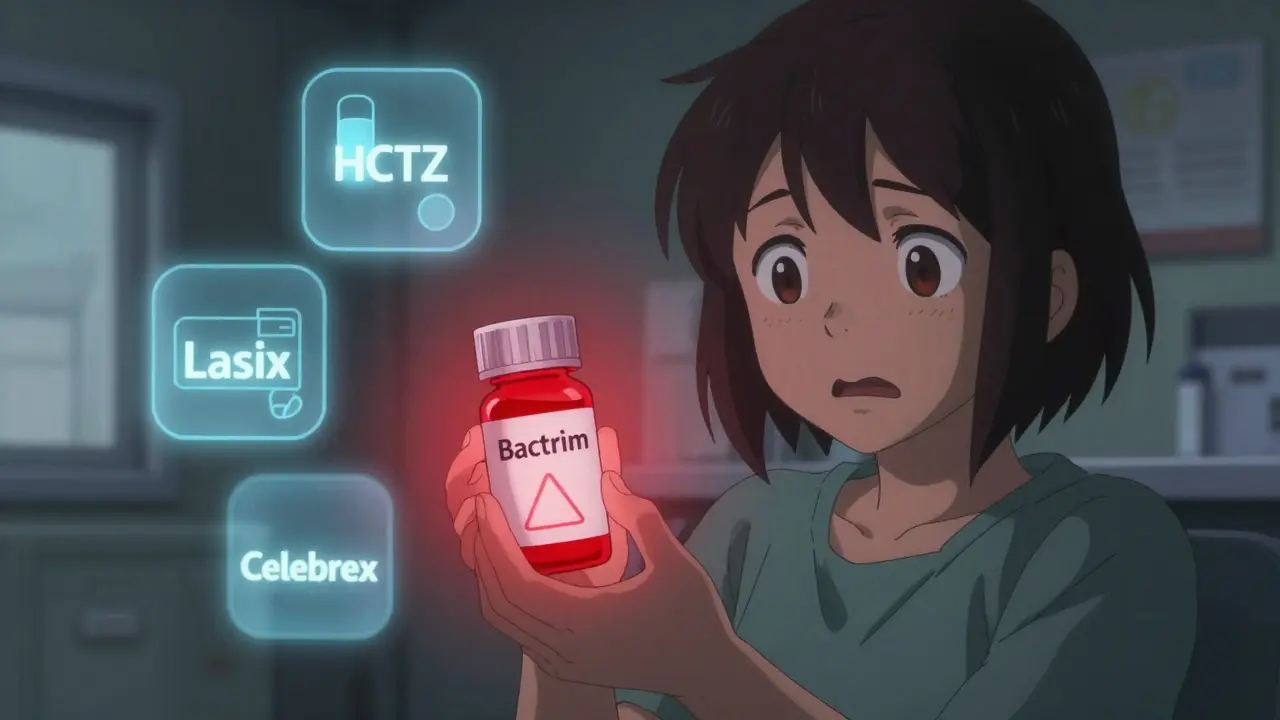
Many people carry a label like "I’m allergic to sulfa"-but what does that actually mean? If you’ve been told to avoid all medications with "sulfa" in them, you might be missing out on safe, effective treatments-or worse, being put on riskier alternatives. The truth is, not all sulfa-containing drugs are created equal. And the confusion around this issue is costing people their health, and the system billions.
What Is a "Sulfa Allergy" Really?
When someone says they have a "sulfa allergy," they usually mean they had a bad reaction to an antibiotic like sulfamethoxazole (found in Bactrim or Septra). But the word "sulfa" gets thrown around like it’s a single thing. It’s not. "Sulfa" refers to a chemical group called a sulfonamide, which shows up in more than 50 different medications. Some are antibiotics. Others treat high blood pressure, glaucoma, diabetes, and arthritis. The problem? Most people don’t know the difference. The real issue isn’t sulfur. It’s a specific part of the molecule: the aromatic amine group at the N4 position. When antibiotics like sulfamethoxazole are broken down in the body, they form a reactive compound called hydroxylamine. That’s what triggers the immune system in true allergic reactions-rashes, fever, blistering skin, or even life-threatening conditions like Stevens-Johnson Syndrome. But non-antibiotic sulfonamides like furosemide (Lasix) or hydrochlorothiazide (HCTZ) don’t have this structure. They don’t make hydroxylamine. So they don’t trigger the same reaction.Which Medications Are Actually Risky?
If you have a confirmed allergy to an antimicrobial sulfonamide, here’s what you should avoid:- Sulfamethoxazole-trimethoprim (Bactrim, Septra)
- Sulfadiazine
- Sulfacetamide (eye drops)
- Dapsone (used for leprosy and some skin conditions)
- Hydrochlorothiazide (HCTZ) - a common blood pressure pill
- Furosemide (Lasix) - used for fluid retention
- Celecoxib (Celebrex) - an arthritis pain reliever
- Acetazolamide - for glaucoma and altitude sickness
- Glyburide - a diabetes medication
What About Sulfasalazine?
Sulfasalazine (Azulfidine) is the exception. It’s used for ulcerative colitis and rheumatoid arthritis. It breaks down into two parts: one is sulfapyridine, which is an antimicrobial sulfonamide. About 10% of people with a true sulfa antibiotic allergy react to sulfasalazine. So if you’ve been told to avoid sulfa drugs, your doctor should check if you’ve taken sulfasalazine before-and how you reacted.Why This Confusion Exists
You might think, "If I got a rash from Bactrim, shouldn’t I avoid anything with sulfa?" It sounds logical. But medicine isn’t always logical. The confusion started decades ago when all sulfonamide drugs were lumped together. Labels on prescriptions didn’t distinguish between classes. Patients were told, "Don’t take sulfa drugs," and they remembered it that way. Now, electronic health records still often list "sulfa allergy" as a blanket warning. That means a pharmacist might block a prescription for hydrochlorothiazide-even though there’s zero evidence it’s dangerous for you. A 2021 study found that pharmacist-led allergy reviews cut unnecessary restrictions by nearly 70% across 12 hospitals. That’s not just safer-it’s cheaper. Avoiding HCTZ might mean switching to a more expensive blood pressure drug, or worse, using a stronger antibiotic when you get an infection.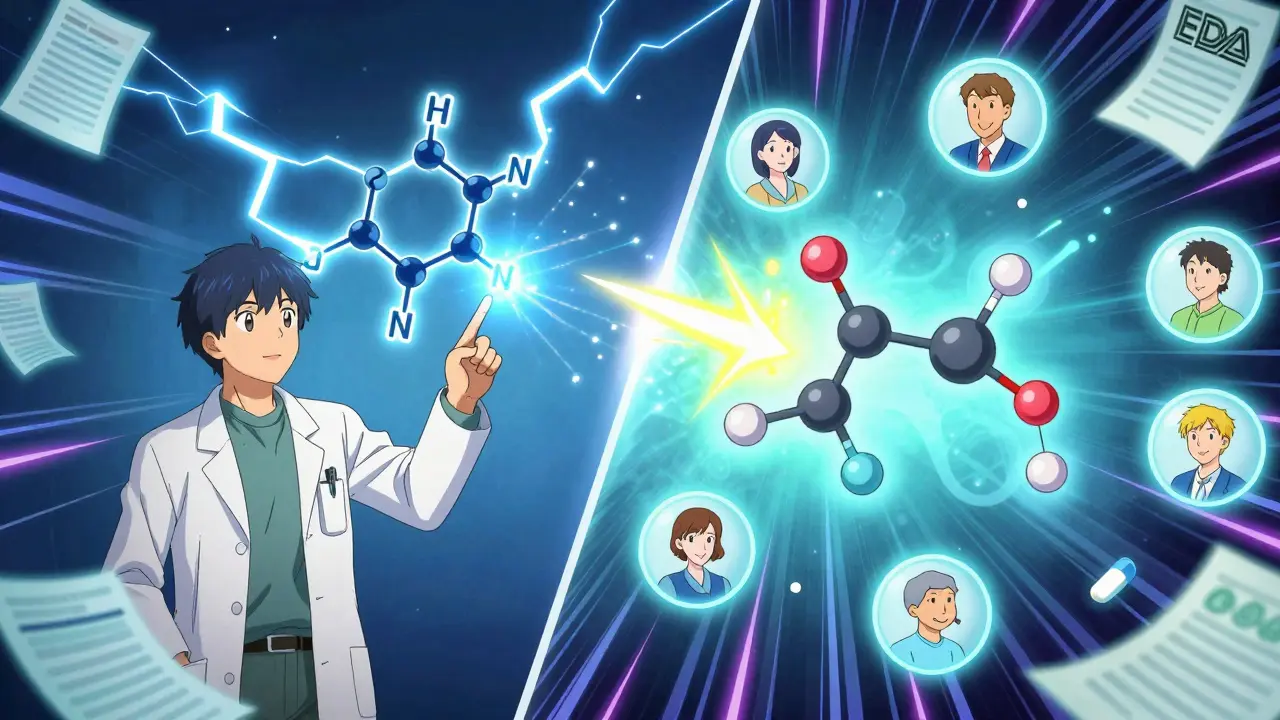
Real Consequences of Mislabeling
Here’s what happens when people are wrongly labeled:- A patient with heart failure is denied furosemide because of a "sulfa allergy"-so they stay in the hospital longer with fluid buildup.
- A diabetic is switched from glyburide to a more expensive insulin because the doctor fears a reaction to the sulfonamide group.
- A person with arthritis avoids celecoxib and ends up on NSAIDs that cause stomach bleeding.
- A UTI gets treated with a broad-spectrum antibiotic like ciprofloxacin instead of Bactrim, increasing the risk of C. difficile infection by over 2x.
What Should You Do If You Think You’re Allergic?
If you’ve been told you have a sulfa allergy, ask yourself: What happened? Was it a mild rash? A fever? Or something serious like blistering skin or trouble breathing?- Mild reaction (rash only): You can likely tolerate non-antibiotic sulfonamides. A single-dose challenge under medical supervision (like taking one HCTZ pill and being observed for 5 days) confirms safety in over 98% of cases.
- Severe reaction (SJS, TEN, DRESS): Avoid all antimicrobial sulfonamides for life. But non-antibiotic ones are still safe.
What About Sulfates, Sulfites, and Saccharin?
Another big myth: "I can’t have sulfa, so I avoid eggs, wine, or artificial sweeteners." No. Sulfates (like Epsom salts), sulfites (in wine and dried fruit), and saccharin (Sweet’N Low) have nothing to do with sulfonamides. They don’t contain the arylamine group. They don’t trigger the same immune response. People with true sulfa antibiotic allergies can safely use all of these.
How the Medical World Is Fixing This
The American Academy of Allergy, Asthma & Immunology, the Mayo Clinic, the Cleveland Clinic, and the FDA all agree: the term "sulfa allergy" is outdated and dangerous. They now recommend using "sulfonamide antibiotic allergy" instead. That small change matters. Hospitals are catching on. Epic Systems updated its electronic records in 2022 to separate antibiotic from non-antibiotic sulfonamides. Cerner plans to do the same in 2025. The Joint Commission now requires accurate allergy documentation as a national patient safety goal. But change moves slowly. A 2023 survey found 67% of primary care doctors still think non-antibiotic sulfonamides are risky.Bottom Line: Don’t Let a Label Limit Your Care
If you’ve been told you have a sulfa allergy, don’t panic. Don’t automatically avoid every pill with "sulfa" in the name. Ask for details. Find out what you reacted to. Get tested if needed. You might be able to take HCTZ, celecoxib, or furosemide without risk. And if you’re a patient, tell your doctor: "I had a reaction to Bactrim, not all sulfa drugs." That small clarification could save you from unnecessary suffering-and maybe even save your life.Can I take hydrochlorothiazide if I’m allergic to sulfa?
Yes, you can. Hydrochlorothiazide is a non-antibiotic sulfonamide and does not contain the arylamine group that triggers allergic reactions in sulfonamide antibiotics like Bactrim. Studies show no increased risk of allergic reaction in people with confirmed sulfonamide antibiotic allergies. In fact, the reaction rate is similar to the general population.
Is celecoxib safe for people with sulfa allergies?
Yes. Celecoxib (Celebrex) is a non-antibiotic sulfonamide and lacks the chemical structure that causes immune reactions in sulfa antibiotic allergies. Multiple studies, including one from the Mayo Clinic, show no increased risk of allergic reactions-even in patients with past severe reactions to sulfamethoxazole. The American College of Rheumatology specifically recommends celecoxib as a safe option.
What’s the difference between sulfonamide antibiotics and non-antibiotic sulfonamides?
The key difference is the presence of an aromatic amine group at the N4 position. Antibiotic sulfonamides like sulfamethoxazole have this group, which breaks down into hydroxylamine-a compound that triggers immune responses. Non-antibiotic sulfonamides like furosemide and hydrochlorothiazide lack this group, so they don’t produce hydroxylamine and don’t cause the same allergic reactions.
Can I take furosemide if I’m allergic to sulfa?
Yes. Furosemide (Lasix) is not an antibiotic and does not share the same chemical structure as sulfamethoxazole or sulfadiazine. Research shows patients with confirmed sulfonamide antibiotic allergies can safely take furosemide. The risk of reaction is no higher than for someone with no sulfa allergy history.
Should I get tested for a sulfa allergy?
If you’ve had a mild reaction (like a rash) and are being denied important medications like blood pressure or glaucoma drugs, yes. Component-resolved diagnostics can now detect IgE antibodies to the hydroxylamine metabolite with over 94% accuracy. Testing helps confirm whether your reaction was truly allergic-and whether you can safely take non-antibiotic sulfonamides.
Does a sulfa allergy mean I can’t have sulfates or sulfites?
No. Sulfates (like magnesium sulfate in Epsom salts), sulfites (in wine and dried fruit), and saccharin (Sweet’N Low) are chemically unrelated to sulfonamide antibiotics. They don’t contain the arylamine group and cannot trigger the same immune response. People with sulfa antibiotic allergies can safely consume these substances.
Can I take dapsone if I’m allergic to sulfa?
Generally, no. Dapsone shares structural similarities with antimicrobial sulfonamides and has been shown to cause cross-reactive reactions in patients with true sulfa antibiotic allergies. Avoid dapsone unless you’ve been tested and cleared by an allergist.




Comments
OMG I JUST REALIZED I’VE BEEN AVOIDING MY BLOOD PRESSURE MED FOR YEARS BECAUSE OF A RASH FROM BACTRIM IN 2015 😭 I’M GOING TO CALL MY DOCTOR TOMORROW
The conflation of chemical classes in medical nomenclature represents a systemic failure in translational pharmacology. The sulfonamide moiety, while structurally analogous across pharmaceutical subclasses, does not confer immunological homology. The aromatic amine group at the N4 position is the critical determinant of haptenization, not the sulfonamide functional group per se. This misclassification perpetuates iatrogenic harm through therapeutic avoidance.
So let me get this straight - you're telling me I can finally take my Lasix again without my pharmacist acting like I just asked for cyanide? I’ve been on a $300/month alternative because of this dumb label. This post just saved me $4,200 a year. Thanks for the clarity.
How is it possible that a 2003 study with 17,500 patients hasn’t led to universal protocol changes? The medical establishment’s inertia is staggering. You’d think after two decades of peer-reviewed data, EHRs wouldn’t still be flagging HCTZ like it’s radioactive. This isn’t science - it’s bureaucratic superstition.
Look, I get that some people had a rash from Bactrim and now they’re all like ‘I’m allergic to sulfa’ - but let’s be real, most of those ‘allergies’ were just a bad case of sunburn plus a little itchiness. I had a rash after Bactrim too, and guess what? I took Celebrex last year and lived to tell the tale. People need to stop being drama queens about meds. Also, sulfites? Totally different. Why do we keep mixing up chemistry with fear?
My grandma was told she couldn’t take her diuretic because of a sulfa allergy. She ended up in the hospital with fluid in her lungs. They finally checked her records and realized she’d only reacted to a sulfa antibiotic 40 years ago. She’s been on HCTZ since and feels amazing. Why does this info still feel like a secret?
THIS IS THE KIND OF POST THAT CHANGES LIVES. Seriously. I’ve been telling my patients for years that HCTZ is safe, but nobody listens because the EHR screams ‘ALLERGY’ in red. I’m printing this out and handing it to every pharmacist in my clinic. We need more people like you speaking up. This isn’t just info - it’s justice.
It’s wild how we’ve turned medicine into a game of Jenga where every label is a block - pull one wrong one and the whole tower collapses. We’re so scared of the word ‘sulfa’ that we’re willing to risk kidney failure, diabetes complications, and C. diff just to avoid a chemical group that’s literally in our water supply. Meanwhile, people are dying from mislabeling while doctors just hit ‘confirm allergy’ on autopilot. We’re not just bad at medicine - we’re bad at thinking.
As a veteran, I’ve seen this firsthand. VA system still flags non-antibiotic sulfonamides as contraindicated. The Joint Commission’s new guidelines are meaningless if frontline providers aren’t trained. This isn’t a patient issue - it’s a systemic failure of medical education. If you’re not teaching this in med school, you’re failing the public. And yes, sulfates and sulfites are chemically unrelated. If you can’t tell the difference, you shouldn’t be prescribing anything.