How to Read OTC Children’s Medication Labels by Weight and Age
Learn how to safely read OTC children's medication labels using weight and age to avoid dangerous dosing errors. Essential guide for parents using acetaminophen and ibuprofen.
Read more
When your child is sick, reaching for an OTC children's medication, over-the-counter drugs meant for kids under 12, often without a prescription. Also known as pediatric OTC drugs, these are meant to ease fever, cough, or pain—but they’re not all safe, even if they’re on the shelf. Many parents assume "OTC" means "safe for kids," but that’s not true. The same active ingredient in an adult pill can be dangerous for a 4-year-old, and liquid forms often come with confusing measuring tools. The FDA has flagged hundreds of cases each year where kids got too much acetaminophen or ibuprofen because of mix-ups in dosing or combining products.
One big mistake? Using two meds at once because they "seem different." A cold syrup might have the same pain reliever as a separate fever reducer. You don’t need both. Children's cough syrup, liquid remedies marketed for cough and congestion in young kids are especially tricky. The American Academy of Pediatrics says they don’t work well for kids under 6 and can cause drowsiness, rapid heartbeat, or even seizures. Same goes for decongestants—many are just sugar water with a fancy label. For fever or pain, stick to plain child-safe pain relievers, acetaminophen or ibuprofen formulated for children’s weight and age. Always check the label for the exact milligrams per teaspoon or milliliter. A teaspoon isn’t a tablespoon. A dropper isn’t a cup. Use the tool that comes with the bottle, not your kitchen spoon.
Another hidden risk? Giving medicine based on age alone. A 2-year-old weighing 25 pounds needs a different dose than a 2-year-old weighing 40 pounds. Weight matters more than birthday. And never give aspirin to a child—it can cause Reye’s syndrome, a rare but deadly condition. Also skip antihistamines for colds. They’re not for kids under 6, and even older kids often get dizzy or overly sleepy. If your child has asthma, allergies, or takes other meds, check with a pharmacist before any OTC pick. You don’t need to rush to the store. Sometimes rest, fluids, and a humidifier are the best medicine. But when you do reach for something, make sure it’s the right thing. Below, you’ll find real guides on how to read labels, avoid dangerous combos, and spot products that are more marketing than medicine. No fluff. Just what keeps kids safe.
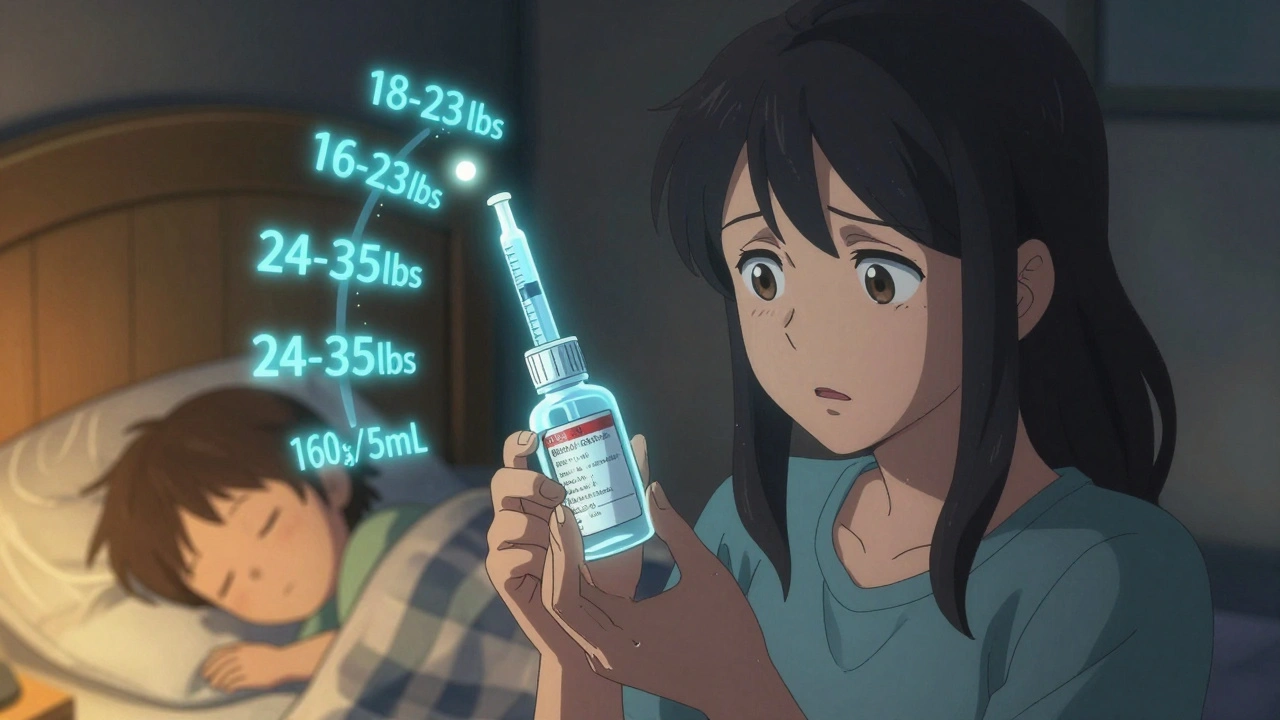
Learn how to safely read OTC children's medication labels using weight and age to avoid dangerous dosing errors. Essential guide for parents using acetaminophen and ibuprofen.
Read more