Statins: What They Are, How They Work, and What You Need to Know
When you hear statins, a class of medications used to lower LDL cholesterol and reduce the risk of heart attack and stroke. Also known as HMG-CoA reductase inhibitors, they’re among the most prescribed drugs in the world because they work — but they’re not harmless. If you’re taking one, you’re not just managing cholesterol. You’re managing a chain reaction in your body that involves your liver, your muscles, and other medications you might be on.
Statins don’t just sit there and lower numbers. They block an enzyme your liver uses to make cholesterol. That forces your liver to pull more cholesterol out of your blood. The result? Lower LDL — the "bad" kind — and a reduced chance of plaque building up in your arteries. But here’s the catch: statins also affect other systems. That’s why they can clash with systemic antifungals, drugs like ketoconazole and posaconazole used to treat serious fungal infections. These antifungals slow down how your body breaks down statins, causing levels to spike. That’s when muscle pain turns into rhabdomyolysis — a rare but dangerous breakdown of muscle tissue that can lead to kidney failure. It’s not a guess. It’s a documented risk, and it’s why pharmacists ask you for your full med list.
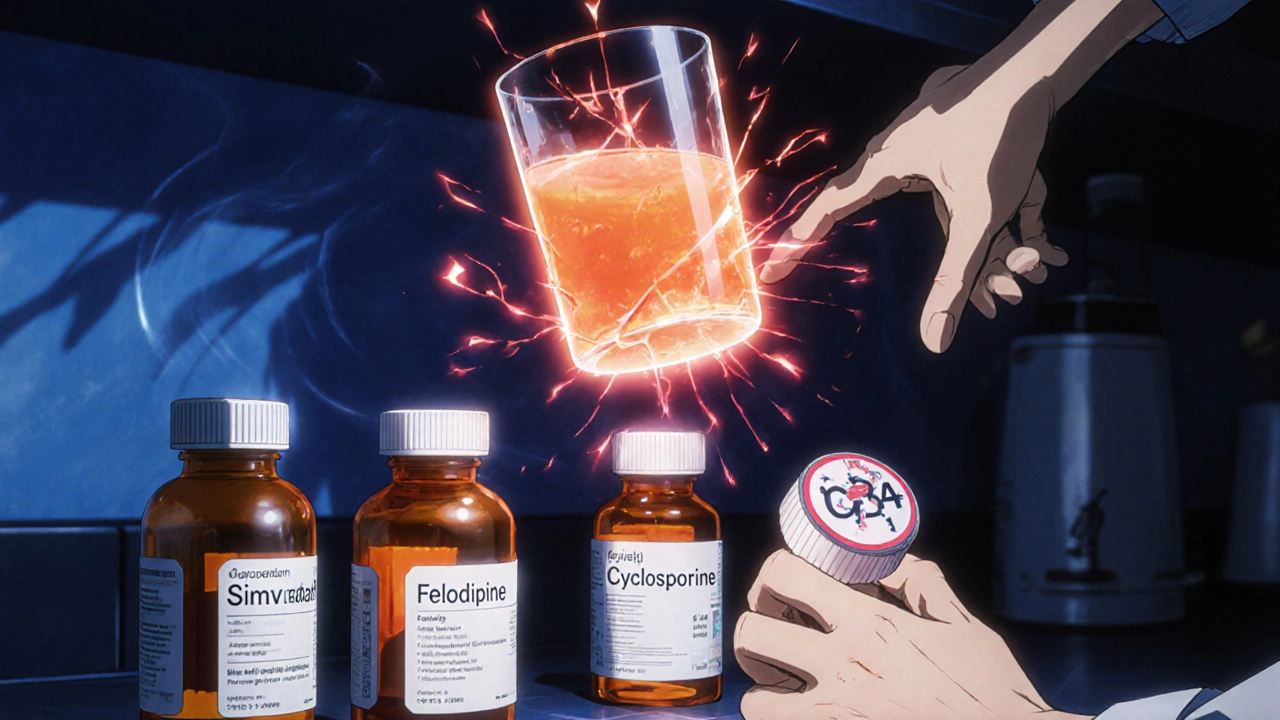
And it’s not just antifungals. Antibiotics, grapefruit juice, even some supplements can interfere. Your body treats statins like a delicate balance — too much, and you risk damage. Too little, and your heart stays at risk. That’s why switching from one statin to another isn’t just about cost. It’s about how your liver processes each one. Some are metabolized more heavily by the CYP3A4 enzyme — that’s the same one that reacts with grapefruit. Others use different pathways. Knowing which one you’re on matters.
People often think statins are safe because they’re so common. But safety isn’t about popularity. It’s about awareness. Muscle pain isn’t always "just aging." Fatigue isn’t always "stress." And if you’re on a statin and start feeling unusually weak or notice dark urine, that’s not something to wait on. It’s a signal. The same goes for liver enzyme changes — they don’t always cause symptoms, but they show up in blood tests. That’s why regular check-ins with your doctor aren’t optional. They’re part of the treatment.
There are alternatives — ezetimibe, PCSK9 inhibitors, lifestyle changes — but for most people with high cholesterol and heart risk, statins still offer the best balance of benefit and cost. The goal isn’t to avoid them. It’s to use them wisely. That means knowing what they interact with, recognizing what side effects to watch for, and understanding that your health isn’t just about one number on a lab report. It’s about how all your meds, your diet, your activity, and your body’s chemistry work together.
Below, you’ll find real, practical guides on how statins interact with other drugs, what to do if you’re on both an antifungal and a statin, and how to spot trouble before it becomes an emergency. No fluff. No theory. Just what you need to stay safe and in control.
Grapefruit juice can dangerously increase levels of many medications, leading to serious side effects. Learn which drugs interact, why it happens, and how to stay safe.
Read more