
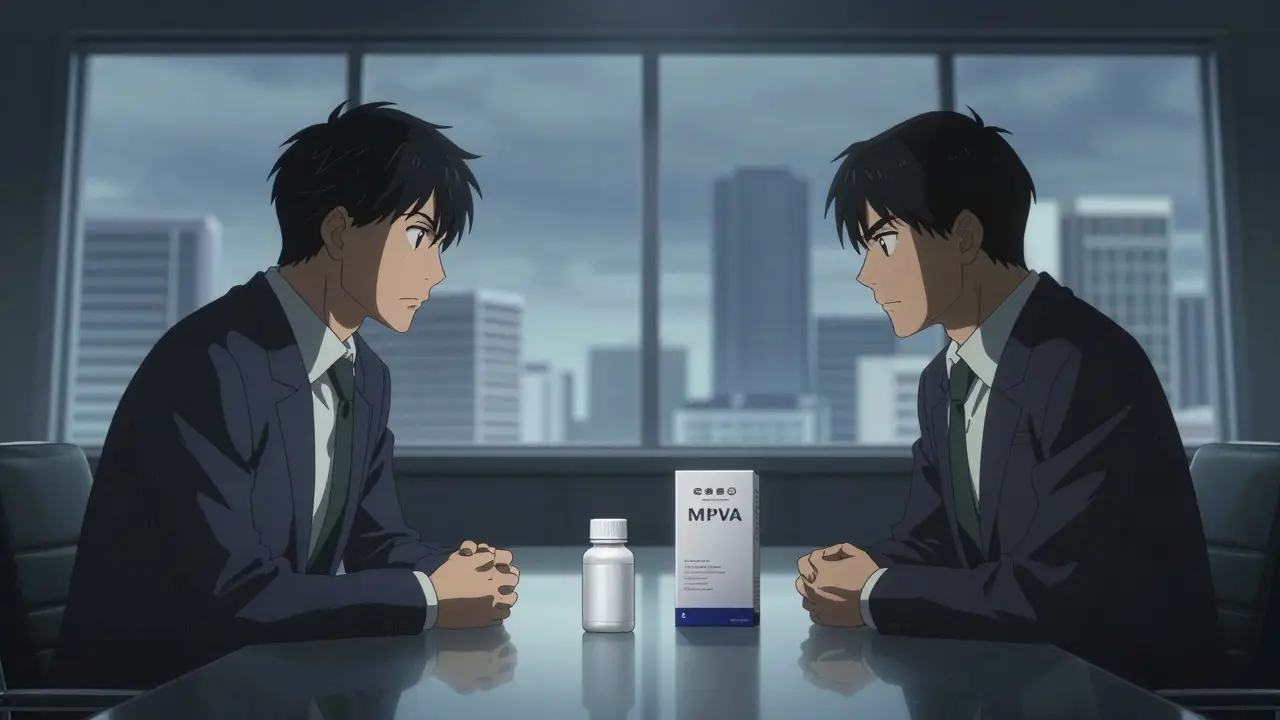
When you walk into a pharmacy, you usually have two choices: the brand-name drug or the generic version. But behind the scenes, not all generics are created equal. There is a high-stakes game played between brand-name companies and generic manufacturers that determines exactly how much you pay at the counter. Two main players in this game are authorized generics is a brand-name drug manufactured to the same specifications as the original but sold without the brand name, typically by the original manufacturer or a licensee and the "first-to-file" generics. While they might look the same on a prescription label, their impact on your wallet and the pharmaceutical market is very different.
The battle for the 180-day window
To understand the cost, we first need to understand the Hatch-Waxman Act. This law created a system where the first company to successfully challenge a patent and file an Abbreviated New Drug Application (or ANDA) gets a special prize: 180 days of market exclusivity. For those six months, no other traditional generic can enter the market. This is the "first-to-file" generic's golden ticket, often worth hundreds of millions of dollars because they can set a price that is lower than the brand but still highly profitable.
However, brand companies found a loophole. They realized they could launch their own generic version-the authorized generic-even while that first-to-file company had exclusivity. Since the authorized generic is technically the brand drug just without the fancy label, it doesn't need its own ANDA approval. This creates a clash between the first-to-file winner and the original brand company, and it's this competition that actually drives prices down for the consumer.
How the costs actually break down
Does having both types of generics actually make drugs cheaper? The data says yes. According to reports from the Federal Trade Commission (FTC), markets that have only a first-to-file generic (ANDA-only) are cheaper than brand names, but markets that add an authorized generic (ANDA+AG) are even cheaper.
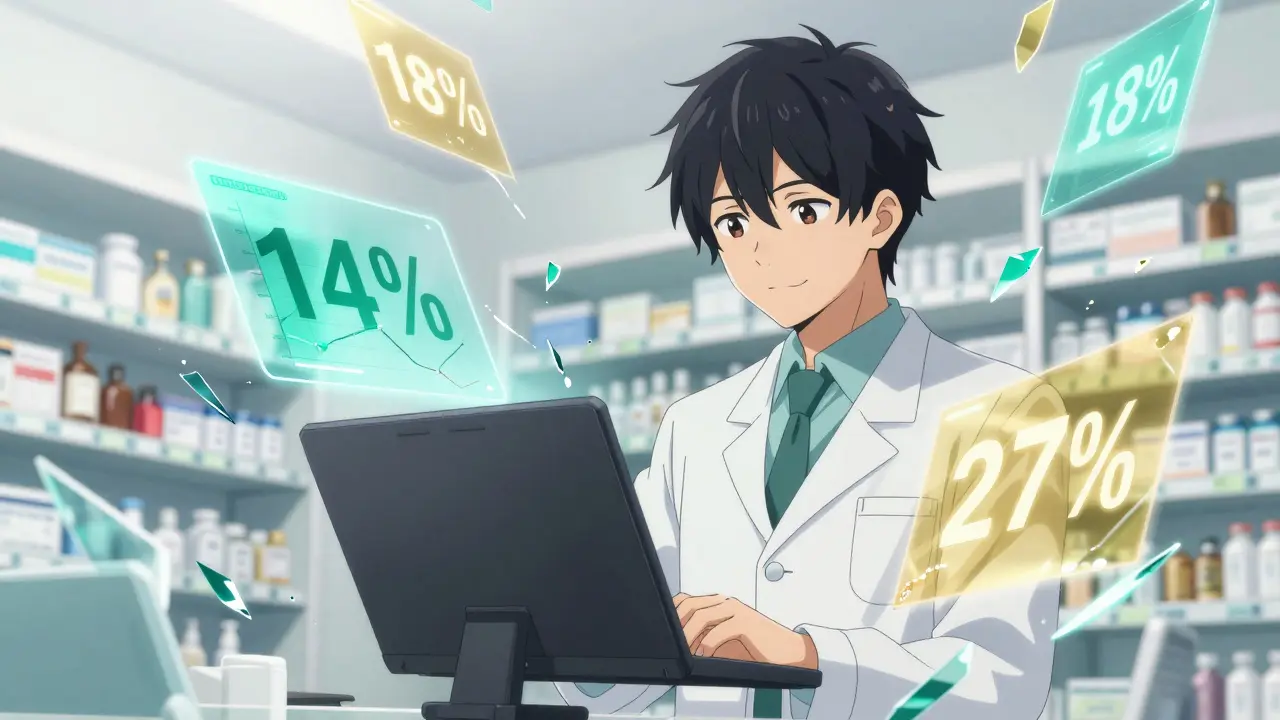
In a scenario where only the first-to-file generic exists, the retail price is usually about 14% lower than the brand. But when an authorized generic jumps into the mix, that discount jumps to 18%. If we look at what pharmacies pay (wholesale cost), the difference is even more striking. In ANDA-only markets, pharmacies pay about 20% less than brand prices. In ANDA+AG markets, that discount increases to 27%.
| Market Type | Retail Price Discount (vs Brand) | Pharmacy Acquisition Discount |
|---|---|---|
| ANDA-only (First-to-File) | ~14% | ~20% |
| ANDA + Authorized Generic | ~18% | ~27% |
Who wins and who loses?
If you're the patient, the "winner" is the authorized generic because it forces the first-to-file company to drop its prices to stay competitive. But if you're the first-to-file generic company, an authorized generic is a nightmare. FTC data shows that when an authorized generic enters the market, the first-filer's revenue can plummet by 40% to 52% during those critical first 180 days. This financial hit doesn't just vanish after six months; it can drag down their revenues for up to 30 months.
Pharmacies actually love this chaos. While they make a decent profit when the first generic hits the market, their gross profit per prescription often increases even more when an authorized generic starts competing. They get to benefit from the price war between the manufacturers.
Long-term pricing trends
As more players enter the market, the price of the drug continues to tank. An FDA analysis found that when only one generic producer exists, the Average Manufacturer Price (AMP) is about 39% lower than the original brand price. However, once you have two competitors-usually the first-to-file and an authorized generic-the price drops to 54% lower than the brand.
The real savings happen when the floodgates open. By the time four competitors are in the mix, prices are 79% lower. Once six or more generic companies are competing, the price of the drug typically drops by more than 95% compared to the original brand price. This is why your medication might be incredibly expensive for a year and then suddenly cost a few dollars a month a few years later.
The strategic game: Patents and Settlements
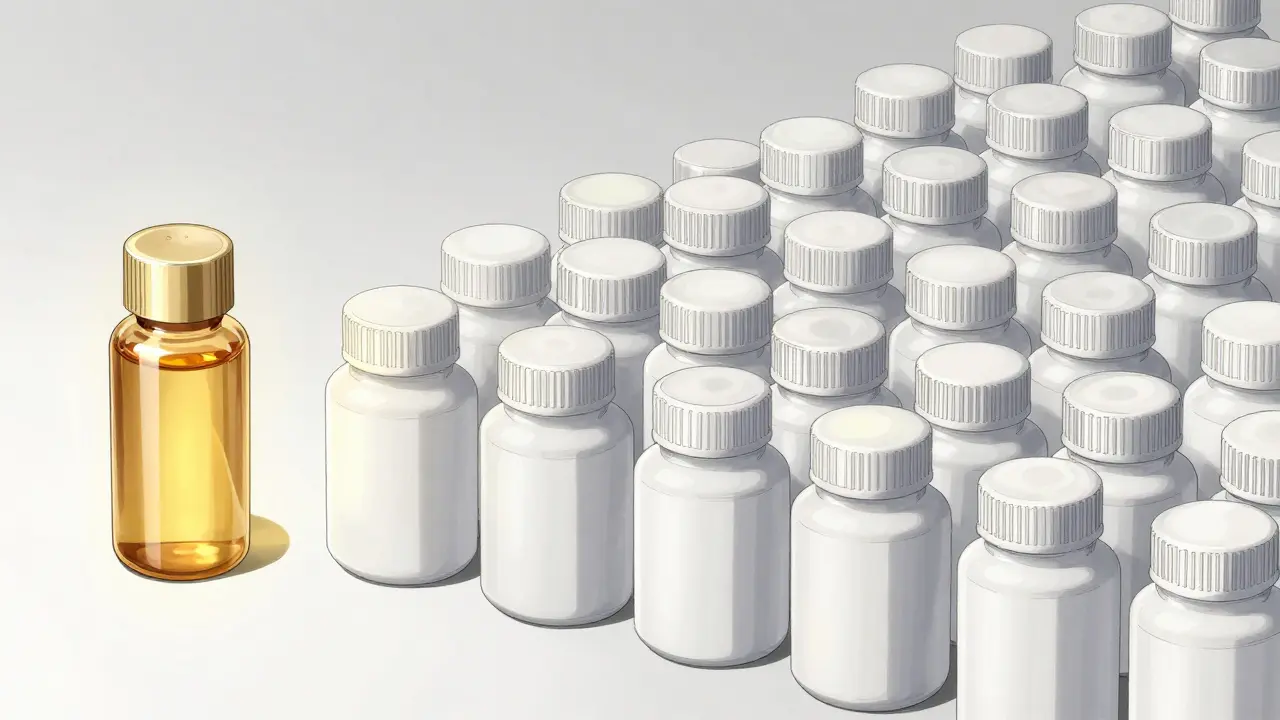
Why would a brand company launch a generic version of their own drug? It's usually about control. By launching an authorized generic, the brand company can capture some of the generic market share and reduce the massive windfall the first-to-file company would otherwise enjoy. Sometimes, this is part of a legal settlement. A brand company might agree to let a generic firm enter the market early in exchange for the generic firm not challenging the brand's patents.
There is a worry that this could discourage other generic companies from challenging patents if they know a brand company will just launch an authorized generic and steal their profits. However, the FTC has looked into this and found that it hasn't actually slowed down the number of patent challenges. Generic firms are still willing to fight for that 180-day window, even if the reward is smaller than it used to be.
Other factors affecting the cost
It's not just about who files first. Brand companies also use "product hopping" to keep prices high. For example, they might release an extended-release version of a drug right before the original patent expires. Research from the Administration for Strategic Planning and Evaluation (ASPE) suggests that a new patented version can shrink the market for first-to-file generics by about 29% in the first year. This forces patients back toward the expensive brand-name version of the new formula.
On the brighter side, the regulatory process is getting faster. The Generic Drug User Fee Amendments (GDUFA) have pushed first-cycle approval rates from 20% up to 66%. This means generics hit the market faster, reducing the time you have to pay brand-name prices and lowering the overall cost of bringing these drugs to you.
What is the main difference between an authorized generic and a traditional generic?
A traditional generic requires an Abbreviated New Drug Application (ANDA) and must prove it is bioequivalent to the brand. An authorized generic is the actual brand-name drug, just sold without the brand name, so it doesn't need a separate ANDA approval.
Does an authorized generic make my medicine cheaper?
Yes. When an authorized generic competes with the first-to-file generic during the 180-day exclusivity period, retail prices are typically 4% to 8% lower than they would be if only the first-to-file generic were available.
How long does the first-to-file exclusivity last?
The exclusivity period lasts for 180 days. During this time, the first company to file an ANDA is generally the only traditional generic allowed on the market, though authorized generics can still compete.
Why do brand companies launch their own generics?
It's a strategic move to maintain some revenue and reduce the profit windfall for the first-to-file generic competitor. It can also be used as a bargaining chip in patent litigation settlements.
Do prices continue to drop after the 180-day window?
Absolutely. As more generic manufacturers enter the market, prices drop significantly. Once six or more competitors are present, the cost of the drug often falls by more than 95% compared to the original brand price.

Write a comment