
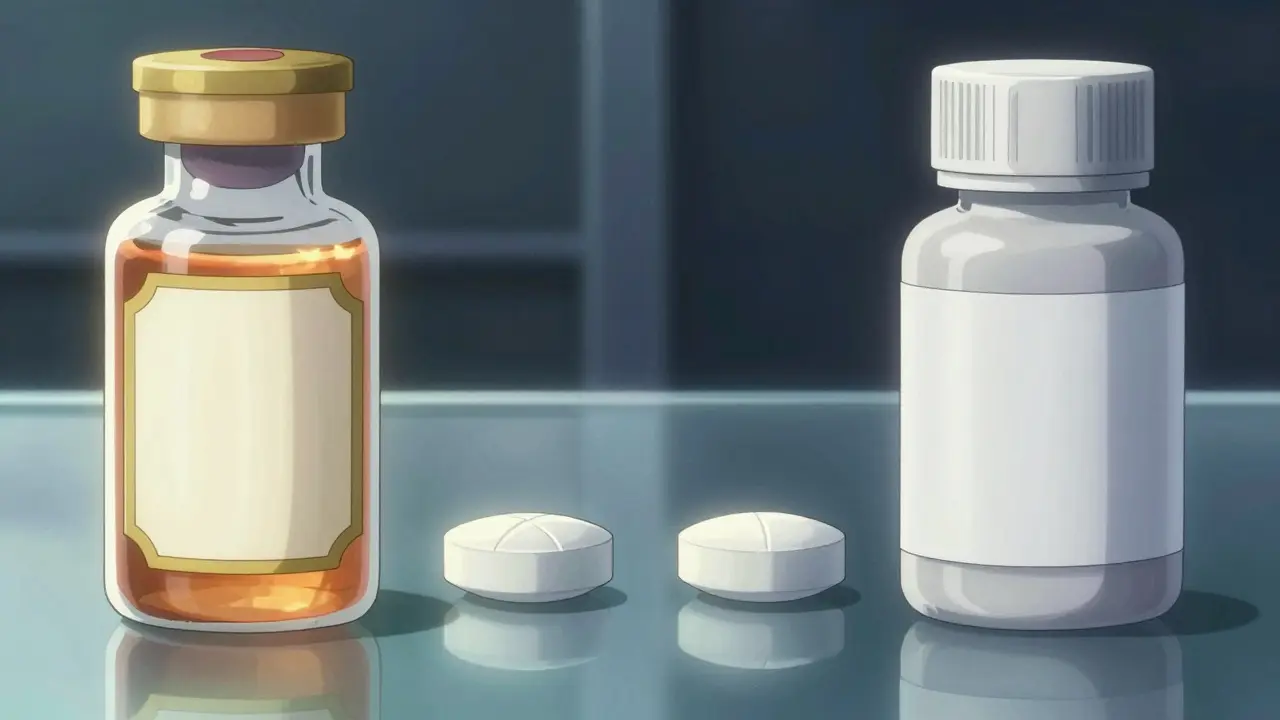
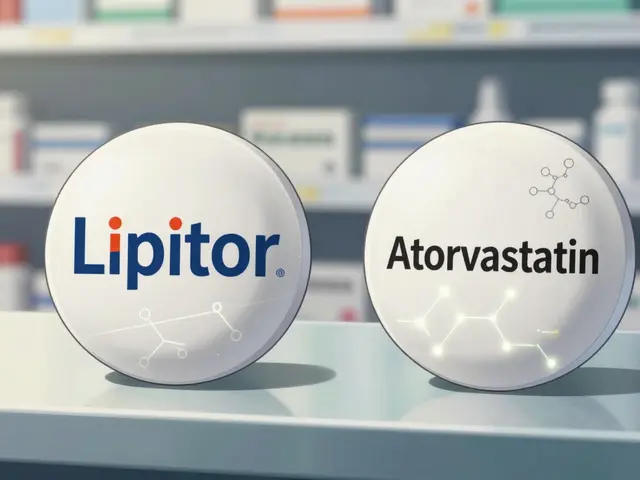
Imagine taking two pills. They look different, they have different names, but inside, they are chemically identical. One is a famous brand you've seen in commercials; the other is a plain, white-label generic. Surprisingly, your brain might decide that one works and the other doesn't, even if they are the exact same molecule. This is the labeling effect, and it proves that medicine isn't just about chemistry-it's about psychology.
When we talk about the labeling effect, we're looking at how the perceived value or reputation of a drug changes the actual physical response in a patient's body. It's a strange paradox: the drug hasn't changed, but the outcome has. If you've ever felt that a generic version of a pill "just didn't hit the same" as the brand name, you aren't necessarily imagining the feeling, but the cause might be in your head rather than the pharmacy bottle.
The Psychology of the Pharmacy Label
At its core, the labeling effect is driven by the Placebo Effect and its darker twin, the Nocebo Effect. The placebo effect happens when a positive expectation leads to a real improvement in health. Conversely, the nocebo effect occurs when a negative expectation-like believing a generic drug is "cheap" or "inferior"-creates negative symptoms or reduces the drug's effectiveness.
A striking study published in the European Journal of Public Health found that this isn't just a minor mood shift. In a trial with 72 participants, people were given identical placebo pills. Those who thought they were taking a brand-name drug were much more likely to stick with the treatment. In contrast, 54% of those given the "generic" label stopped taking the pills before the week was up. Why? Because the label itself eroded their trust in the medicine.
Does the Label Actually Change the Pain?
For conditions where the brain plays a huge role in recovery-like chronic pain or anxiety-the label is almost as important as the active ingredient. Research conducted by Dr. Keith Petrie and his team showed that brand-name labeling can actually mimic the effect of an active drug. In their study, participants reported nearly the same level of pain relief from a brand-name placebo as they did from actual Ibuprofen. However, the generic-labeled placebo did almost nothing.
This suggests that branding creates a "treatment benefit" that exists entirely outside of the chemical compound. If you're managing a headache, the brand name might be doing the heavy lifting via your expectations, while the generic version requires the chemistry to do all the work alone. This is particularly risky for patients with lower health literacy, who often experience a much sharper drop in adherence and efficacy when switched to generics.
| Metric | Brand-Name Label | Generic Label |
|---|---|---|
| Discontinuation Rate (Placebo) | 33% | 54% |
| Reported Pain Relief (Placebo) | 63% felt relief | 42% felt relief |
| Attributed Side Effects (Placebo) | 28% reported | 47% reported |
| Typical Cost Difference | Baseline (100%) | 80-85% Lower |

The Real Danger: Label Discrepancies
While the psychological side is fascinating, there is a more concrete problem: the labels aren't always the same. It's not just about the name on the bottle; sometimes the actual instructions and warnings differ. A study in the journal Pharmacy analyzed 31 different drug products and found a 100% misalignment between the Summary of Product Characteristics (SmPC) of the originator drug and its generic counterpart.
This is where the conversation moves from "psychology" to "patient safety." Roughly 13% of these discrepancies were flagged as potentially fatal or life-threatening. When a generic manufacturer uses "skinny labeling"-omitting certain uses of the drug to avoid patent lawsuits-doctors and patients might miss critical information. This means the "labeling effect" isn't just about whether you believe in the drug, but whether the label provides the same safety guardrails as the original.
The Financial Tug-of-War
From a healthcare economics perspective, generics are a miracle. In the U.S., they make up about 90% of prescriptions but only about 23% of the spending. This saves billions of dollars annually. However, if the labeling effect causes patients to stop taking their meds or switch back to expensive brands, those savings vanish. Some experts, including those at Stanford University, warn that failing to fix these perception gaps could waste billions in potential healthcare savings.
The FDA has tried to combat this with campaigns like "It's the Same Medicine," which helped reduce concerns about generic efficacy. The goal is to shift the patient's mindset from "cheap alternative" to "bioequivalent standard." When a patient understands that the Hatch-Waxman Act requires generics to be virtually identical in how they perform in the body, the nocebo effect begins to fade.
How to Overcome the Labeling Effect
If you're a patient or a caregiver, the best way to fight the labeling effect is through education and transparency. Knowing that the active ingredient is the same is the first step. But the second step is recognizing your own bias. If you feel a generic isn't working, ask yourself: Is this a physical reaction, or am I disappointed because it's not the brand I'm used to?
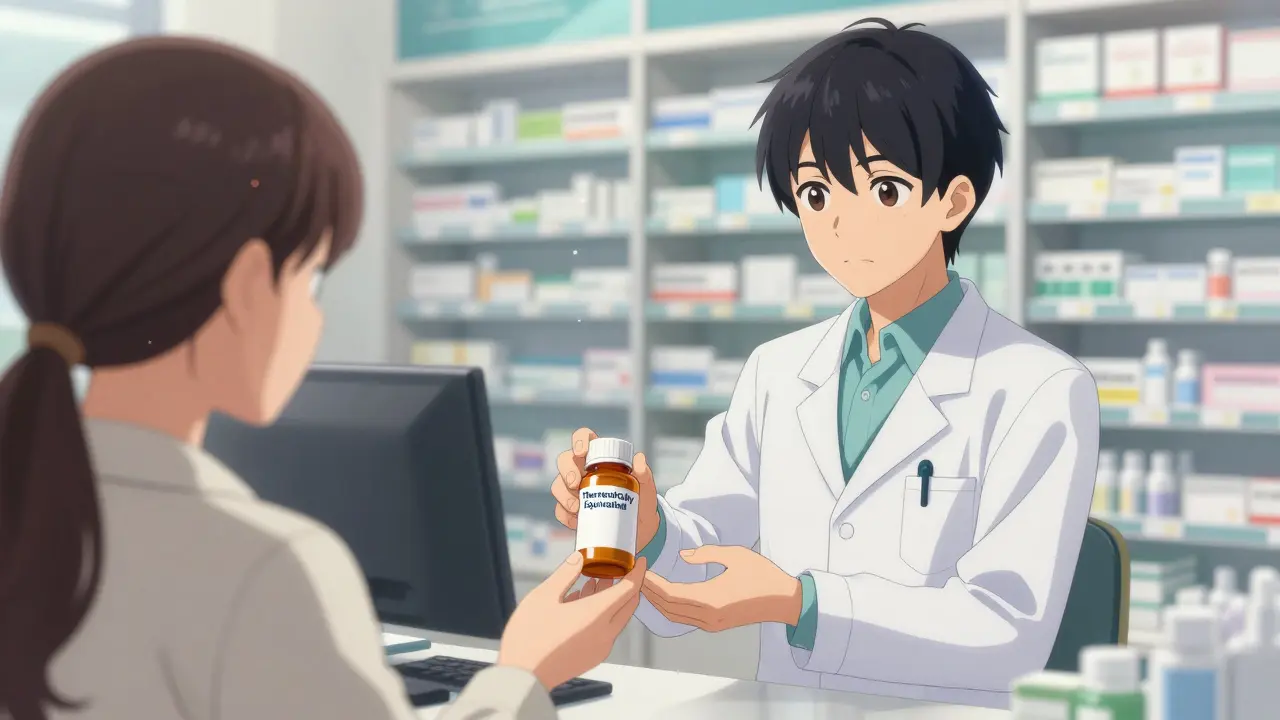
For healthcare providers, the strategy is shifting toward "labeling optimization." Some trials have shown that simply adding a phrase like "therapeutically equivalent to [Brand Name]" on the generic packaging can drop discontinuation rates from 52% down to 37%. It's a small change in wording that bridges the psychological gap between cost-savings and confidence.
Are generic drugs actually less effective than brand names?
Chemically and pharmacologically, yes, they are equivalent. Regulatory bodies like the FDA require generics to show bioequivalence, meaning they deliver the same amount of active ingredient into the bloodstream at a similar rate. Any difference in "effectiveness" is usually attributed to the labeling effect-the psychological impact of the brand name-rather than the chemistry of the drug itself.
Why do I feel more side effects with generic drugs?
This is often a result of the nocebo effect. If you expect a generic drug to be inferior or "harsh," your brain can actually trigger the sensation of side effects. In one study, 47% of people reported side effects from a generic placebo, compared to only 28% for a brand-name placebo, even though neither pill contained any active medicine.
What is 'skinny labeling' and why does it matter?
Skinny labeling is when a generic company removes certain approved uses (indications) from the drug label to avoid infringing on the original company's patents. While it makes the drug cheaper and faster to market, it can lead to confusion if the generic label doesn't provide the full clinical context that the brand-name label does.
Can the labeling effect be dangerous?
Yes, primarily through reduced adherence. If a patient believes a generic is ineffective, they may stop taking it or skip doses. For chronic conditions like hypertension or heart disease, this can lead to severe health crises. Additionally, actual discrepancies in safety labels between brands and generics can lead to dosing errors.
How can I tell if my generic is bioequivalent?
In most developed countries, the regulatory agency (like the FDA or EMA) verifies bioequivalence before a generic is allowed on the market. You can check the FDA's "Orange Book" or ask your pharmacist to confirm that the generic is an approved therapeutic equivalent to the brand-name version.





Write a comment