
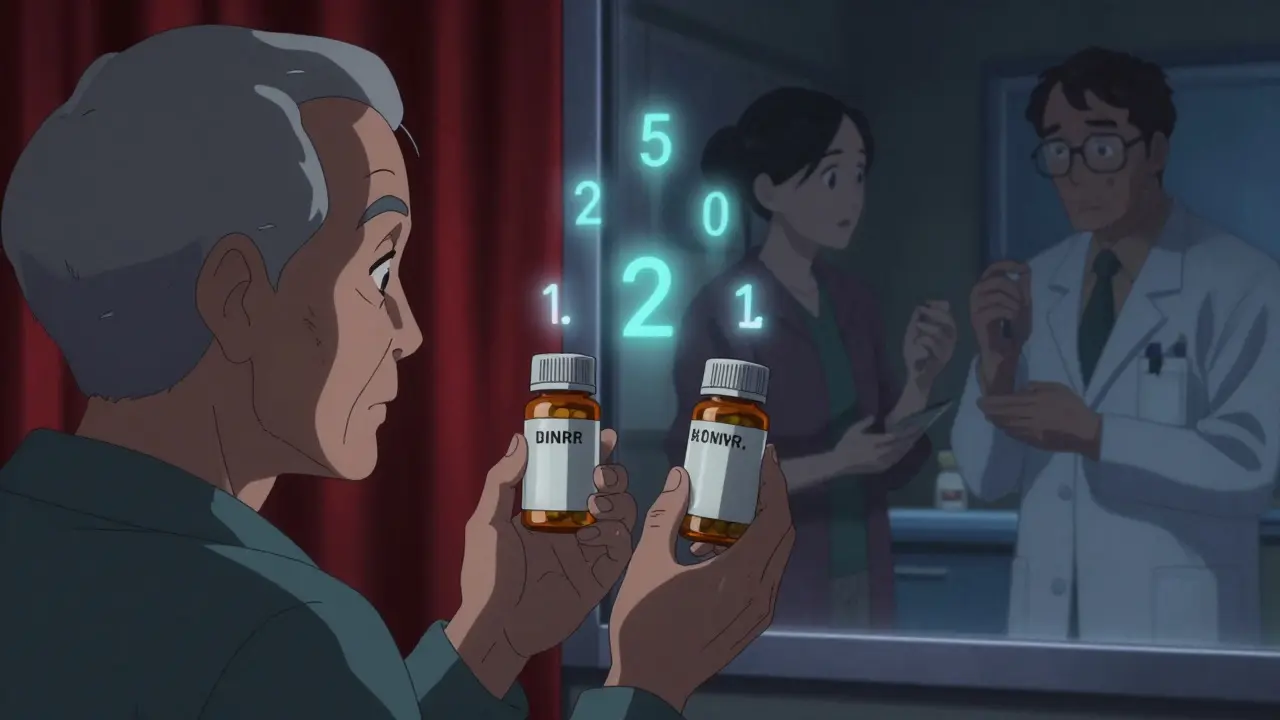
When a pharmacist swaps a brand-name drug for a generic, most people assume it’s just a cost-saving switch with no real difference. But for NTI drugs - narrow therapeutic index medications - that assumption can be dangerous. These aren’t your average pills. A tiny change in dose or blood level can mean the difference between healing and hospitalization. Think warfarin, lithium, phenytoin, levothyroxine, or tacrolimus. For patients on these, stability isn’t just nice to have - it’s life-or-death.
What Makes an NTI Drug So Sensitive?
NTI drugs have a razor-thin margin between the dose that works and the dose that harms. The FDA defines them as drugs where the ratio between the minimum toxic concentration and the minimum effective concentration is two or less. That means if your blood level of warfarin jumps just 10%, you could bleed internally. If it drops 10%, you could get a stroke. There’s no room for error.
Because of this, the FDA tightened the rules in 2019. For most generics, bioequivalence is proven if the drug’s absorption falls within 80-125% of the brand. For NTI drugs, that range shrinks to 90-111%. Even then, many doctors don’t trust it. Why? Because bioequivalence studies are done in healthy volunteers - not in patients with liver disease, kidney failure, or complex drug interactions. A pill that works fine in a 30-year-old lab subject might behave differently in a 72-year-old on six other medications.
Doctors Are Divided - And It’s Not Just About Cost
There’s a clear split in how prescribers feel. On one side, the FDA and the American Medical Association say most patients can switch safely. The FDA’s 2020 post-market data shows 98% of generic NTI drugs perform within 3-4% of the brand. The AMA says the risk is low for the vast majority.
But ask a transplant specialist, a neurologist, or a psychiatrist - and you’ll hear a different story. A 1997 survey of transplant pharmacists found 92% believed bioequivalence testing in healthy people was inadequate for drugs like tacrolimus. Fast forward to 2021, and 68% of physicians surveyed still worried about generic substitution for warfarin. Why? Because INR levels don’t always stay stable after a switch. One study found 42% of doctors feared extra monitoring would be needed.
It’s not that they’re anti-generic. It’s that they’ve seen the fallout. A patient on lithium for bipolar disorder switches to a generic. Two weeks later, they’re in the ER with tremors and confusion. Their lithium level spiked. The pharmacist did everything right. The FDA approved the generic. But the patient’s body reacted differently. That’s the fear.
State Laws Are Making It Worse - Or Better?
It’s a patchwork. Twenty-eight U.S. states have rules around NTI substitution. Some require prescribers to write "Do Not Substitute" on the prescription. Others demand patient consent before switching. In states with these "affirmative consent" laws, generic substitution rates for NTI drugs dropped 23% compared to states with no restrictions.
But here’s the catch: those same states also saw more phone calls, more paperwork, and more confusion. Hospital pharmacists report that 78% of them always notify the prescriber before substituting an NTI drug. Primary care docs get about 2.7 NTI substitution alerts a month. Psychiatrists managing lithium? Up to 5.4. Most prefer electronic notifications - not phone calls. But not all clinics have that system set up.
And then there’s the cost. The Congressional Budget Office estimates that blocking NTI substitutions could raise Medicare spending by $1.2 billion a year. The generic drug industry says switching more NTI drugs could save $127 billion over ten years. So who wins? Patients? Payers? Or just the system?
What Are the Real-World Consequences?
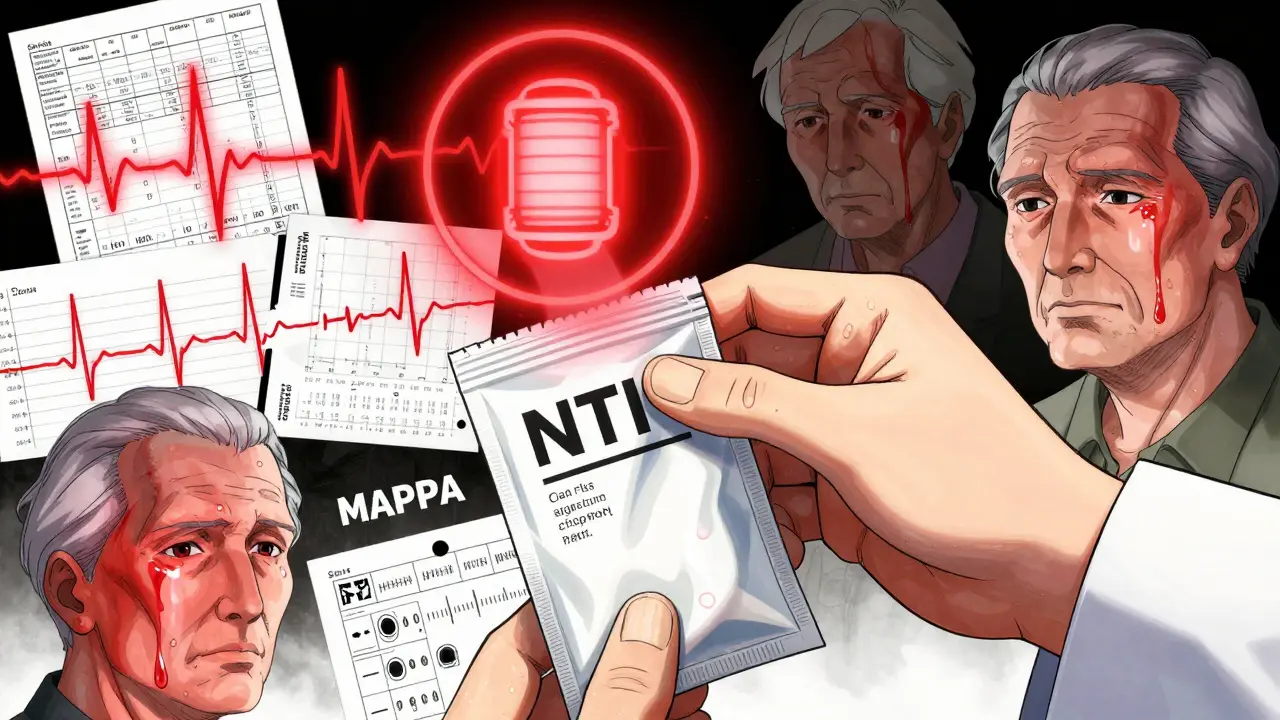
The Institute for Safe Medication Practices tracked 1,247 medication errors involving NTI drugs between 2015 and 2020. Thirty-seven percent were linked to substitution. That’s a lot. But here’s the surprising part: only 8% caused actual harm. That suggests most substitutions are safe - but the ones that aren’t? They’re serious.
Patients notice too. In 2022, 41% of physicians reported patients got confused after a switch. They’d call the office: "Why is my pill different?" "Did they give me the wrong one?" Some even stopped taking it. That led to 29% more office visits for monitoring - each costing an estimated $127. That’s not just a medical issue. It’s a financial one.
And the brand-name drugs? They’re still hanging on. Despite generics being available, Medicare Part D data from 2022 shows 23% of NTI prescriptions are still for brand-name versions - compared to just 8% for non-NTI drugs. Tacrolimus? 32% brand. Warfarin? 28%. Levothyroxine? 25%. That’s not because patients are demanding it. It’s because doctors are prescribing it.
Why Do Some Doctors Stick With Brand?
A 2023 survey of internists found 57% would prescribe brand-name NTI drugs when starting a high-risk patient. Why? Stability. They don’t want to risk a ripple effect. One change in dose triggers another test. Another test triggers a visit. Another visit triggers a new prescription. It’s a chain reaction that’s hard to control.
Dr. Michael Cohen of ISMP put it plainly: prescribers need clearer labeling and standardized communication. Right now, there’s no universal symbol for NTI drugs. No consistent way to flag them in electronic records. Pharmacists might know. But if the patient sees a different pill, they don’t. And if the doctor doesn’t get notified? They have no idea a switch happened.

The Future: Better Data, Better Communication
Things are changing. The FDA added 12 new drugs to its NTI list in March 2023 and removed three others - showing they’re not just sticking with old assumptions. The PRESCRIPT-NTI trial, currently enrolling 1,200 patients across 42 sites, is tracking real clinical outcomes after substitution. Results are due in mid-2024.
Meanwhile, the American Society of Clinical Oncology now supports generic substitution for oral cancer drugs - as long as therapeutic drug monitoring is in place. That’s a big shift. Oncologists used to be the most cautious. Now they’re saying: with good monitoring, we can do this safely.
And CMS is moving too. Their November 2023 proposed rule would require prescriber notification for all NTI substitutions under Medicare Part D. It’s not a ban. It’s a safeguard. A way to make sure the doctor knows when a switch happens - so they can watch for problems.
What Should You Do If You’re on an NTI Drug?
If you’re taking warfarin, lithium, levothyroxine, or any other NTI drug:
- Ask your doctor: "Is this drug on the NTI list? Should I stay on the brand?"
- Check your pill bottle every time. If it looks different, ask the pharmacist why.
- Don’t assume a generic is automatically safe. Ask if your blood levels will be checked after a switch.
- Make sure your doctor gets notified if a substitution happens. Ask your pharmacist to send an electronic alert.
It’s not about being suspicious. It’s about being informed. NTI drugs aren’t like antibiotics or blood pressure pills. They demand precision. And when precision fails, the consequences aren’t theoretical - they’re real.
What’s Next for NTI Substitution?
Generic penetration for NTI drugs is at 62% today. By 2028, analysts predict it’ll hit 78%. That means more patients will switch. But the real question isn’t whether substitution will grow - it’s whether the system can handle it safely.
For that to happen, three things are needed: better labeling so everyone knows which drugs are NTI, standardized electronic alerts so prescribers aren’t blindsided, and real-world data to prove that switches don’t cause harm. Until then, many doctors will keep prescribing the brand. Not because they’re against generics. But because they’ve seen what happens when things go wrong.
The truth? For most people, generics are safe. For some - the ones on NTI drugs - safety isn’t about percentages. It’s about trust. And trust takes more than a label. It takes communication, monitoring, and respect for the fact that every body reacts differently.
What are NTI drugs?
NTI drugs, or narrow therapeutic index drugs, are medications where even small changes in dose or blood concentration can cause serious side effects or treatment failure. Examples include warfarin, lithium, phenytoin, levothyroxine, and tacrolimus. The FDA defines them as drugs with a ratio of toxic to effective concentration of two or less.
Can pharmacists substitute generic NTI drugs without permission?
It depends on the state. Twenty-eight U.S. states have rules restricting automatic substitution for NTI drugs. Some require the prescriber to write "Do Not Substitute," others require patient consent, and a few mandate that the prescriber be notified. In states without restrictions, pharmacists can substitute unless the prescription says otherwise.
Why do some doctors refuse to allow generic NTI substitutions?
Doctors worry that even small differences in how a generic is absorbed can affect blood levels of NTI drugs, leading to toxicity or loss of effectiveness. While the FDA says generics are bioequivalent, many physicians have seen patients experience instability after a switch - especially those with complex health conditions. They prefer to avoid any risk when the margin for error is so small.
Are brand-name NTI drugs really better than generics?
According to the FDA, 98% of generic NTI drugs perform within 3-4% of their brand-name counterparts. Post-market data supports this. But the issue isn’t just about average performance - it’s about individual variation. Some patients react differently to a new formulation. That’s why doctors often choose brand-name drugs for high-risk patients or when stability is critical.
What should patients do if they notice a change in their NTI medication?
If your pill looks different, ask your pharmacist if it’s a generic switch. Then contact your doctor. Don’t assume it’s safe. For NTI drugs, even small changes can matter. Ask if your blood levels need to be checked after the switch. Keep a log of how you feel - dizziness, fatigue, unusual bleeding, or tremors could signal a problem.
Is there a way to know if a drug is an NTI drug?
There’s no universal symbol on the packaging yet. But the FDA maintains a list of drugs considered to have a narrow therapeutic index. Your doctor or pharmacist can check this list. Some electronic prescribing systems flag NTI drugs, but not all do. If you’re unsure, ask: "Is this an NTI drug?"
For now, the safest approach is clear: if you’re on an NTI drug, don’t let substitution happen without your knowledge. Stay involved. Ask questions. And make sure your care team - doctor and pharmacist - are talking to each other. Because when it comes to these medications, the difference between safe and risky isn’t always in the pill. It’s in the communication.







Comments
Man, I’ve seen this play out with my uncle on warfarin. Switched to generic, INR went haywire. Ended up in the ER with a bloody nose that wouldn’t stop. Pharmacist did everything by the book. But bodies ain’t lab rats. I don’t care what the FDA says - if your life’s on the line, stick with what works.
life is just a series of tiny chemical imbalances 😅
we think we control it but really we’re just passengers on a drug-fueled rollercoaster 🎢💊
maybe the real NTI drug is trust itself
I’m a nurse and I’ve seen this too. One lady on levothyroxine switched generics and started falling asleep in the middle of her grandkids’ birthday parties. She didn’t even know it was the pill. Just thought she was tired. Took three weeks and a blood test to figure it out. Just ask. Always ask.
Doctors aren’t anti-generic. They’re pro-stability. If you’re on lithium or tacrolimus, don’t gamble with your brain or your transplant. Get the brand. It’s not expensive compared to an ICU stay.
Let’s be real - this whole NTI thing is a corporate puppet show. The FDA? Paid off by big pharma. The generics? Made in the same factories, just re-labeled. You think the 90-111% window is science? Nah. It’s a loophole. I’ve seen the same pill made in India, shipped to Ohio, repackaged, and suddenly it’s a "new generic" with a 20% price drop. Meanwhile, grandma’s INR is floating like a balloon. And who gets blamed? The pharmacist. The doctor. The patient. Not the $200M pharma conglomerate that owns both the brand and the generic. Wake up. This isn’t about safety. It’s about profit margins dressed up in white coats.
Oh, so now we’re treating patients like fragile porcelain dolls because their blood levels might wobble? How quaint. We’ve been dosing people with aspirin for centuries without knowing their exact metabolic profile. If your body can’t handle a generic, maybe your metabolism is broken - not the pill. This obsession with perfection is just medical paternalism wrapped in fear-mongering. Let people take the cheaper version. Let them learn. Let them adapt. Medicine isn’t a museum exhibit - it’s a living, messy, imperfect dance. Stop infantilizing patients.
I’m from Indonesia and we don’t have this problem because our doctors just tell you what to take. No substitutions. No questions. But I saw a cousin in the U.S. go through this - she cried because her pill changed color. I didn’t get it until I read this. Now I get it. It’s not about the pill. It’s about control. And trust. And fear.
Hey - if you’re on an NTI drug, you’re not alone. Talk to your pharmacist. Ask your doctor to set up alerts. Use a pill tracker app. Small steps. Big impact. You’ve got this. And if you’re worried? Speak up. Your voice matters more than any FDA guideline.
So the FDA says 98% are fine… but we’re still at 23% brand usage for NTI drugs? That means 1 in 4 patients are being prescribed brand names not because they’re better - but because doctors are too scared to risk it. Isn’t that just institutional cowardice dressed up as caution? We’re not curing disease here. We’re managing anxiety.
My mom’s on lithium. Switched generics last year. No issues. But we checked her levels twice after. Just to be sure. Took 10 minutes. Worth it.
NTI drugs = government mind control. They want you dependent on brand names so they can track your blood levels. That’s why they won’t standardize the labeling. They’re watching you. 🕵️♀️👁️