Children's Medicine Labels: How to Read Them Safely and Avoid Mistakes
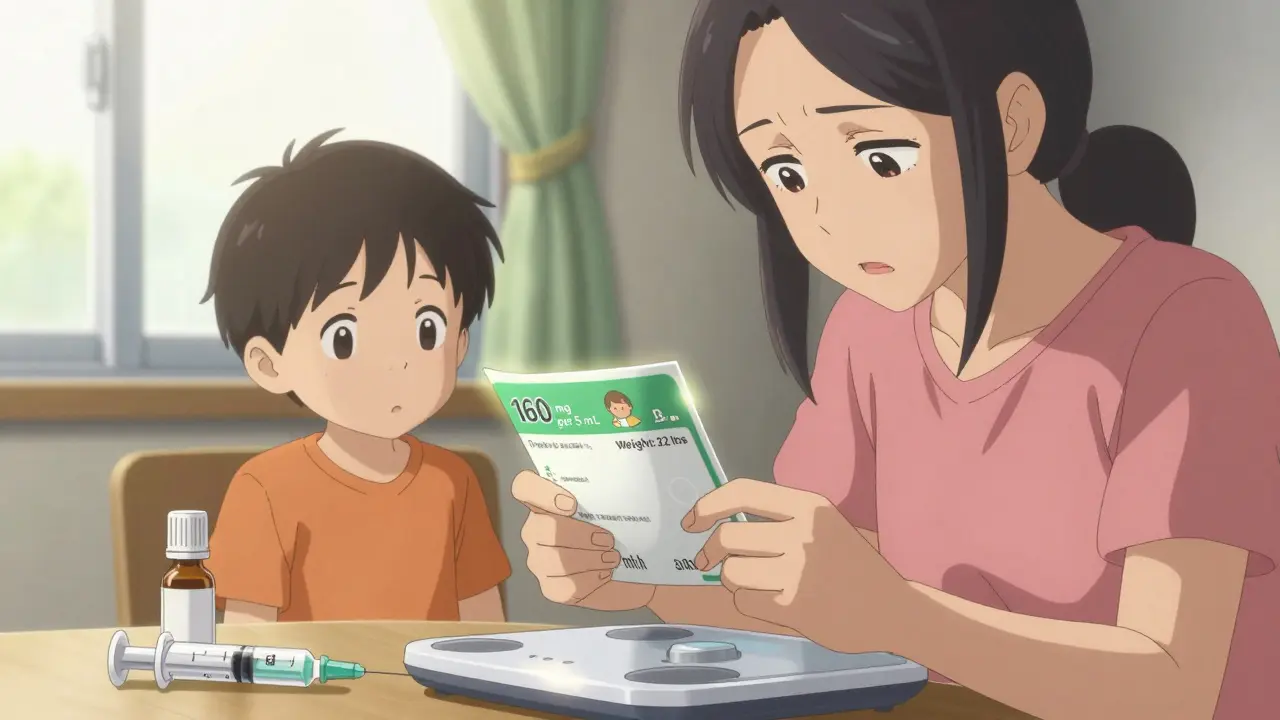
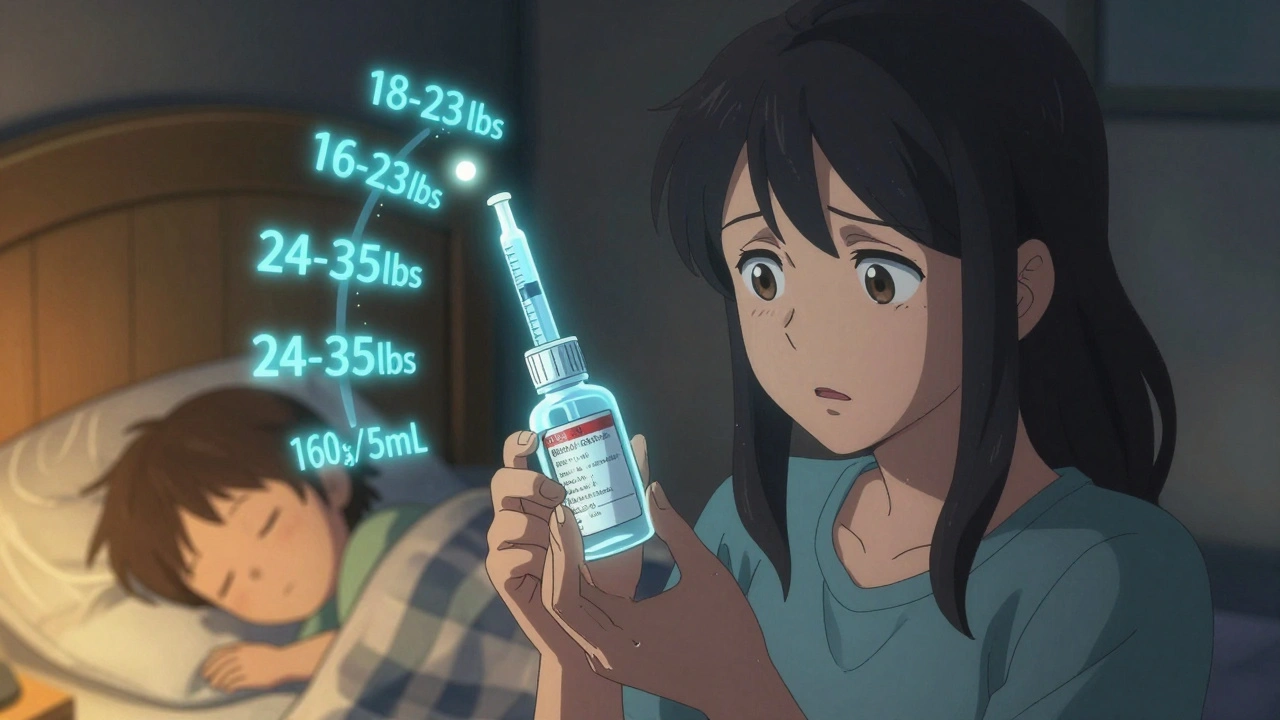
When you're giving medicine to a child, the children's medicine labels, clear instructions on pediatric drug packaging that tell you how much to give, when, and how. Also known as pediatric drug labels, they're your first and most important line of defense against accidental overdose or underdose. Kids aren't small adults—their bodies process medicine differently, and a tiny mistake can have big consequences. That’s why every number, unit, and symbol on those labels matters more than you think.
Many parents rely on the cap or the dropper that comes with the bottle, but those aren’t always accurate. A teaspoon isn’t a tablespoon. A milliliter isn’t a drop. And confusing mg with mcg can be deadly. That’s why pediatric dosing, the precise amount of medication given to children based on weight, age, or both must be double-checked every time. The health literacy, the ability to understand and use health information to make safe decisions needed to read these labels isn’t about being smart—it’s about being careful. Even well-educated parents misread labels because they’re tired, rushed, or assume they know what’s written. Studies show over 40% of parents make at least one dosing error with their child’s medicine. Most of these errors happen because the label wasn’t read closely enough.
Look for the active ingredient first. If two different products have the same one, don’t give both. That’s how accidental overdoses happen—like giving Tylenol and a cold medicine that also contains acetaminophen. Check the concentration: infant drops are stronger than children’s syrup. Never use kitchen spoons. Always use the measuring tool that came with the medicine, or get a proper oral syringe from the pharmacy. And if the label says "as needed," ask your pharmacist what "needed" actually means for your child’s symptoms.
These aren’t just tips—they’re lifesavers. The posts below cover real cases, hidden dangers, and simple tricks used by pharmacists to keep kids safe. You’ll find how to spot misleading labels, what to do when the dosage doesn’t match your child’s weight, how to handle expired medicine, and why some "child-safe" bottles still aren’t safe enough. No fluff. No theory. Just what you need to know before you open that bottle.
Learn how to read children's medicine labels using age and weight to prevent dangerous dosing errors. Essential guide for parents on acetaminophen, ibuprofen, measuring tools, and avoiding common mistakes.
Read more
Learn how to safely read OTC children's medication labels using weight and age to avoid dangerous dosing errors. Essential guide for parents using acetaminophen and ibuprofen.
Read more