Gelatin in Capsules: What It Is, Why It Matters, and What You Need to Know
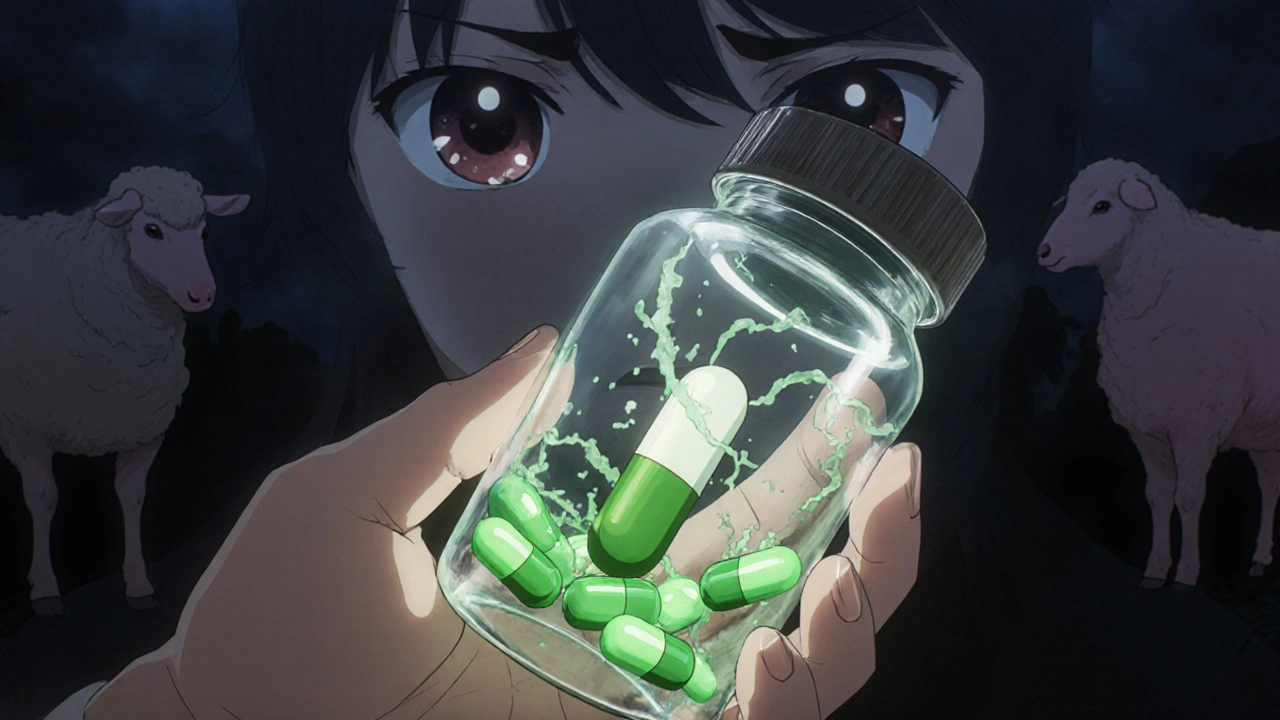
When you swallow a capsule, you’re not just taking the medicine inside—you’re also ingesting gelatin in capsules, a protein derived from animal collagen used to form the outer shell of many oral medications and supplements. Also known as hard gelatin, it’s the most common material used to encase pills because it dissolves easily in stomach acid, releases the drug quickly, and is cheap to produce. But not everyone knows what’s really in that shell, or why it might matter for their health, diet, or religious beliefs.
Most gelatin comes from the bones and skin of cows and pigs. That’s fine for many people, but if you’re vegetarian, vegan, Muslim, Jewish, or allergic to animal products, this can be a problem. Some brands use vegetarian capsules, made from plant-based cellulose like hydroxypropyl methylcellulose (HPMC). These work just as well, dissolve at the same rate, and don’t carry the same ethical or dietary concerns. You won’t always know which kind you’re getting unless you check the label—many drug manufacturers don’t list the capsule material clearly. If you’re avoiding pork or beef for any reason, ask your pharmacist or look for certifications like halal, kosher, or vegan on the packaging.
The type of capsule can even affect how your body absorbs the medicine. Gelatin capsules break down fast in the stomach, which is great for drugs that need to act quickly. But if you have trouble digesting gelatin—due to low stomach acid, gut inflammation, or certain medications—you might not get the full dose. That’s why some slow-release or enteric-coated pills use different materials. It’s not just about what’s inside the capsule—it’s about whether the shell lets it out at the right time and place.
There’s also a growing trend toward plant-based capsules in the supplement industry. Brands that market themselves as clean or sustainable often switch to HPMC or other non-animal shells. If you’re buying vitamins or omega-3s, check the fine print. You might be paying more for a product that’s better aligned with your values—and your body’s needs.
What you’ll find in the posts below are real-world guides on how gelatin in capsules interacts with medications, how to spot hidden animal products in your pills, and what alternatives actually work. You’ll also see how capsule material affects drug stability during travel, why some people react to gelatin, and how to talk to your pharmacist about switching to a safer option. This isn’t just about ingredients—it’s about control, clarity, and making sure what you take does what it’s supposed to do.
Many medications contain hidden animal ingredients like gelatin, lanolin, and pig-derived hormones. Vegans and vegetarians need to know which drugs are safe and how to find alternatives - without compromising their health or ethics.
Read more