Immunosuppressants: What They Are, How They Work, and What You Need to Know
When your immune system turns against your own body—or attacks a transplanted organ—it can be deadly. That’s where immunosuppressants, drugs that reduce the activity of the immune system to prevent rejection or autoimmune damage. Also known as anti-rejection drugs, they’re life-saving for people with kidney, liver, or heart transplants, and for those with conditions like lupus or rheumatoid arthritis. But they’re not harmless. These drugs don’t just calm the bad responses—they lower your body’s overall defenses, leaving you open to infections, cancers, and other complications.
Immunosuppressants don’t work the same way. Some, like cyclosporine, a drug that blocks T-cell activation to stop immune attacks, target specific immune cells. Others, like prednisone, a corticosteroid that reduces inflammation across the body, have broader effects. Then there are newer agents like mycophenolate, a drug that stops immune cells from multiplying, which are often used in combination to get the best result with fewer side effects. These drugs are often paired with antibiotics, antivirals, or antifungals because your body can’t fight off germs as well anymore. That’s why checking for drug interactions is critical—something you’ll see covered in posts about warfarin and antibiotics, or FDA boxed warnings.
People on these drugs need regular blood tests to monitor kidney function, liver health, and white blood cell counts. Even small changes in dosage can lead to serious problems. Some side effects—like high blood pressure, weight gain, or tremors—are common. Others, like increased risk of skin cancer or lymphoma, are rare but dangerous. If you’re on an immunosuppressant, you need to know the signs of infection: fever, chills, unusual fatigue, or a sore throat that won’t go away. And if you’ve had a transplant, you can’t just stop taking them. One missed dose can trigger rejection.
The posts here cover the real-world challenges of living with these drugs. You’ll find guides on medication safety, how to spot dangerous interactions, and what to do if you have an allergic reaction. Some posts talk about steroid alternatives, others about managing side effects like fluid retention or hair loss. There’s no sugarcoating—these drugs save lives, but they change them. What you’ll find below isn’t theory. It’s what people actually need to know to stay safe, avoid hospital visits, and live well while their immune system is turned down.
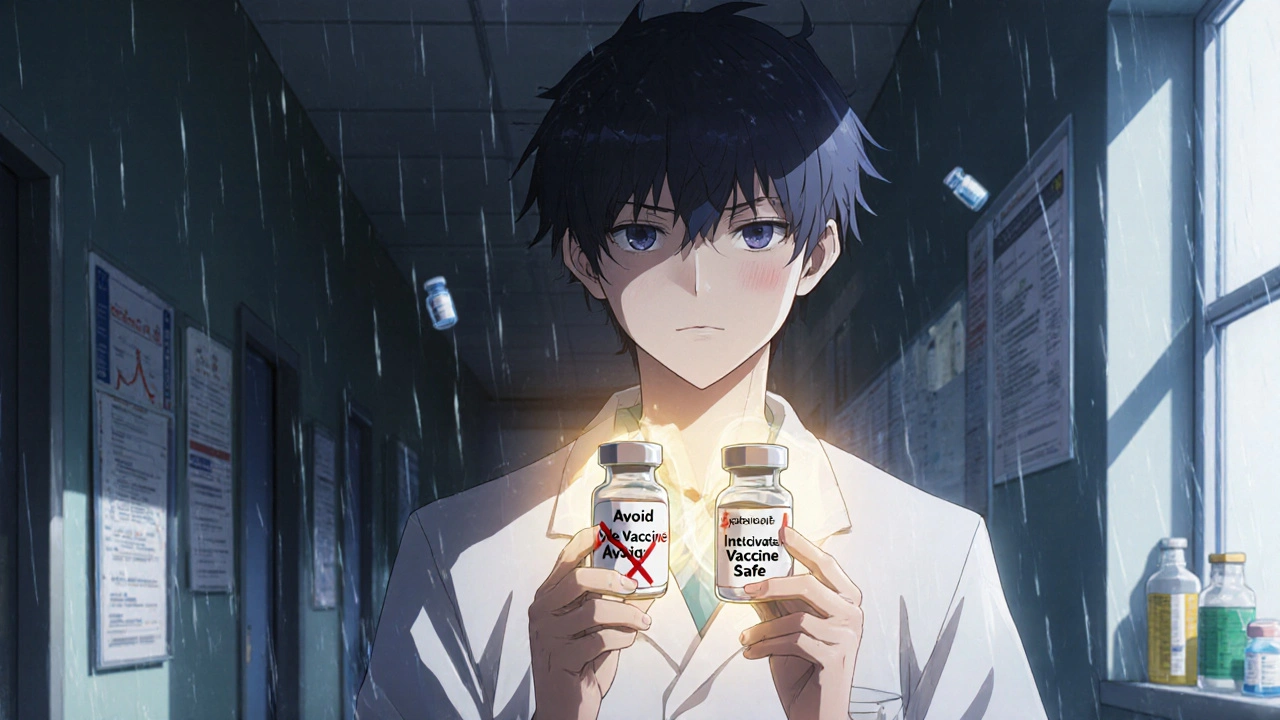
Learn how to safely get vaccinated while on immunosuppressants, including which live and inactivated vaccines are safe, when to get them, and how to coordinate with your treatment plan to protect your health.
Read more
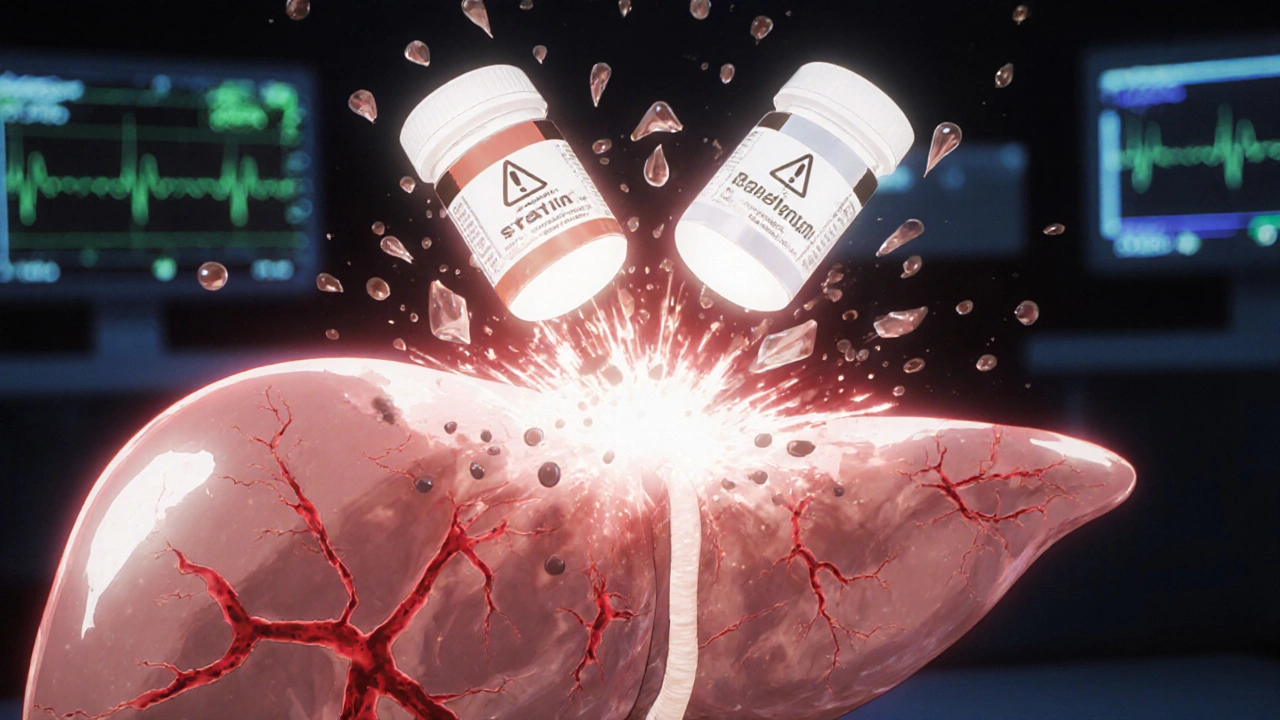
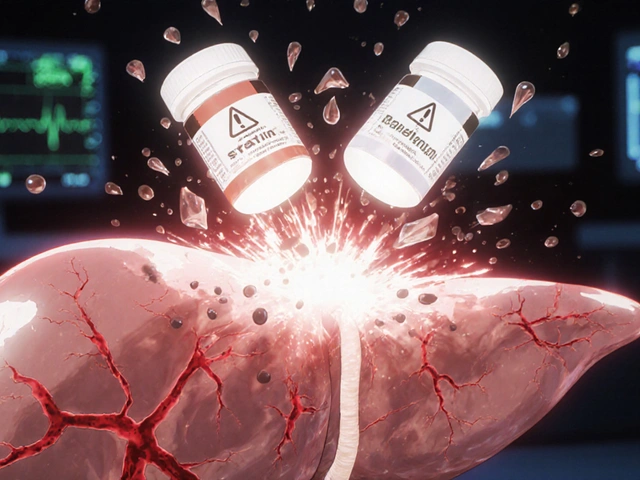
Systemic antifungals like ketoconazole and posaconazole can dangerously increase statin levels, raising the risk of muscle damage and kidney failure. Learn which combinations to avoid and safer alternatives.
Read more