Remote Patient Monitoring: How It Works and What You Need to Know
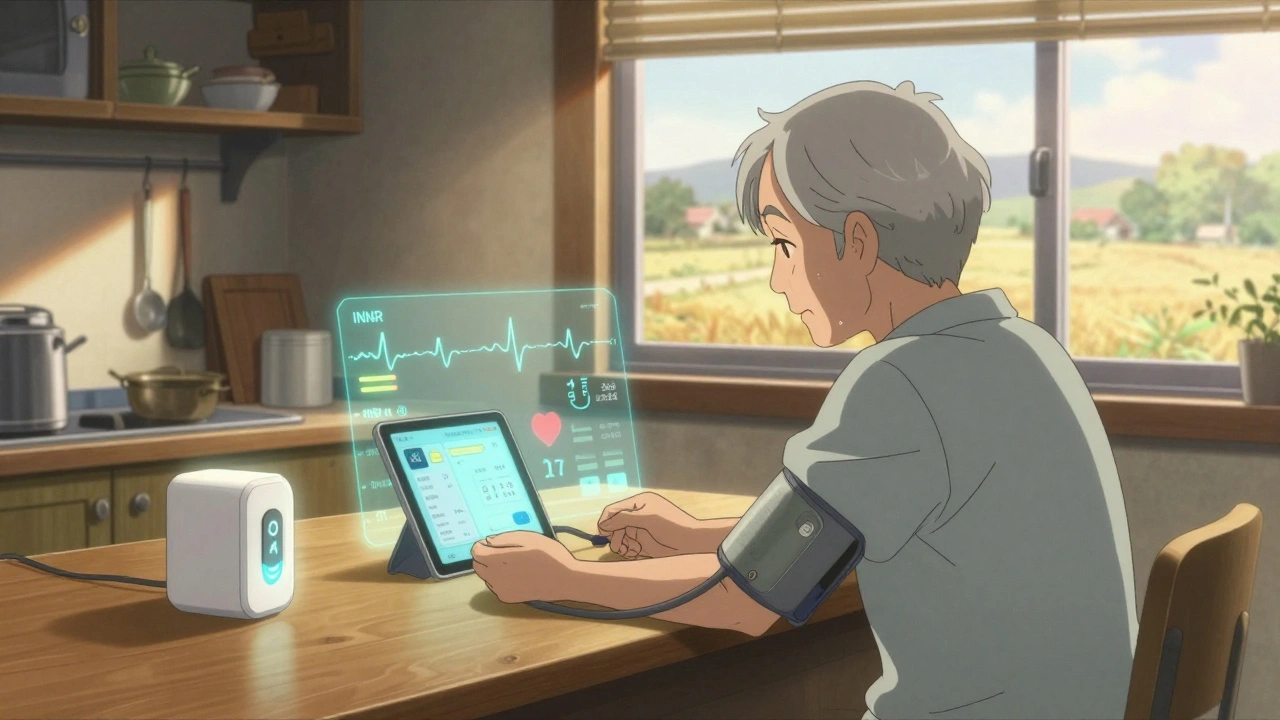
When you hear remote patient monitoring, a system that lets healthcare providers track a patient’s health data from a distance using digital tools. Also known as home health monitoring, it’s not just for seniors—it’s becoming essential for anyone managing diabetes, heart failure, high blood pressure, or COPD. This isn’t science fiction. It’s real, daily care happening in kitchens, living rooms, and bedrooms across the country.
At its core, remote patient monitoring uses simple devices—wearable heart rate monitors, blood pressure cuffs that sync to your phone, glucose meters that upload readings, even smart scales that track weight changes. These tools send data automatically to your doctor’s team, so they can spot problems before you even feel sick. For someone with heart failure, a sudden two-pound weight gain might mean fluid buildup. Without monitoring, that could mean an ER trip. With it, your doctor calls you the same day to adjust your meds.
It’s not just about gadgets. It’s about telehealth working the way it should: continuous, not just during a 15-minute visit. The best systems connect directly to your electronic health record, so your pharmacist, nurse, and doctor all see the same numbers. No more guessing. No more missed signals. And for people who live far from clinics or can’t drive, this isn’t a luxury—it’s a lifeline.
What you’ll find in these posts isn’t hype. It’s practical advice from real users and providers. You’ll learn how to choose the right device, what data actually matters, how to avoid scams selling fake "smart" gear, and how to talk to your doctor about getting started. Some posts show how people with diabetes use glucose monitors to cut A1C levels without new prescriptions. Others explain how insurance covers—or doesn’t cover—these tools. One even breaks down how a single missed blood pressure reading can trigger a warning system that prevents a stroke.
This isn’t about replacing doctors. It’s about giving them better information, faster. And giving you more control over your health without constant office visits. Whether you’re managing a long-term condition, caring for an aging parent, or just tired of waiting in crowded waiting rooms, remote patient monitoring is changing how care happens. Below, you’ll find real stories, step-by-step guides, and clear warnings about what to watch out for—no fluff, no jargon, just what works.
Telehealth strategies are helping rural and remote patients monitor medication side effects in real time, reducing hospitalizations and improving safety. Learn how tools like smart devices, AI, and pharmacist-led programs are closing the care gap.
Read more