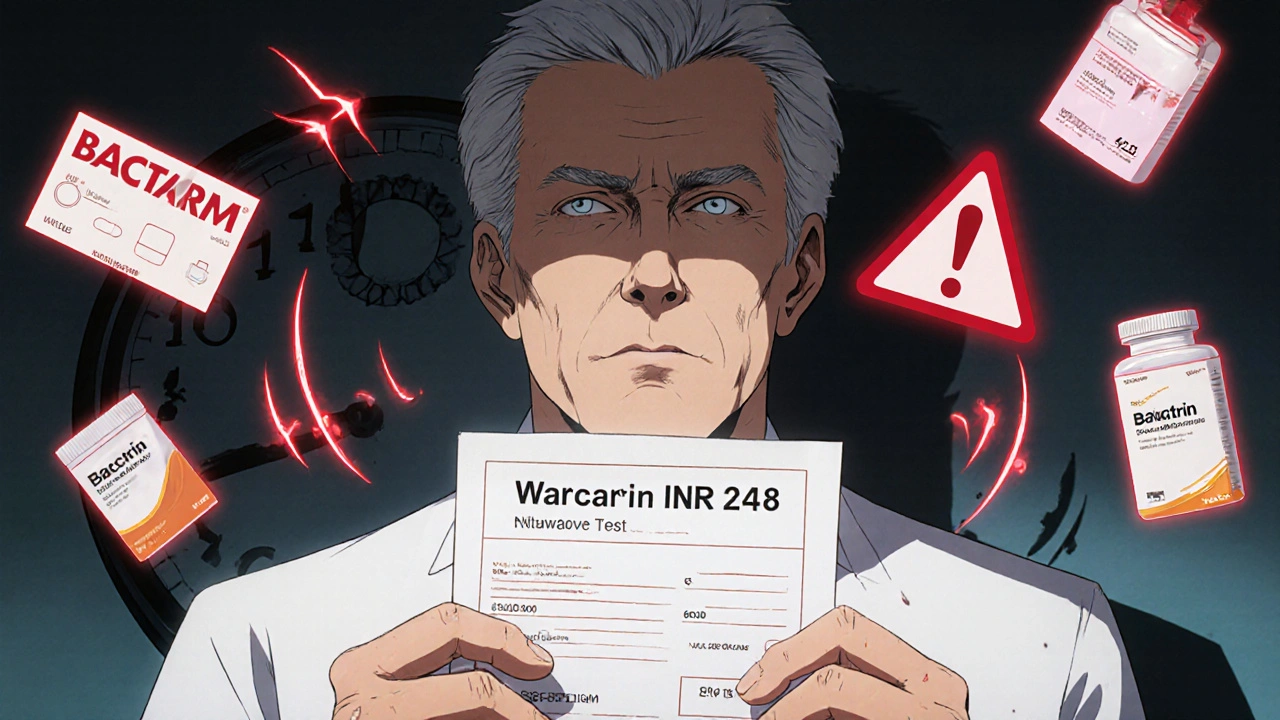
Antibiotic Warfarin Safety: What You Need to Know About Dangerous Drug Mixes
When you’re taking warfarin, a blood thinner used to prevent clots in people with atrial fibrillation, deep vein thrombosis, or artificial heart valves. Also known as Coumadin, it works by slowing down your blood’s ability to clot—but even small changes in your body can make it too strong or too weak. Now add an antibiotic, a drug used to kill or stop the growth of bacteria, often prescribed for infections like pneumonia, urinary tract infections, or sinusitis, and things get risky. Not all antibiotics affect warfarin the same way, but several—like ciprofloxacin, sulfamethoxazole, and metronidazole—can dramatically increase its effect. This pushes your INR levels higher, meaning your blood takes much longer to clot, which can lead to dangerous bleeding inside your body—even from minor bumps or cuts.
Why does this happen? Many antibiotics interfere with liver enzymes (especially CYP2C9) that break down warfarin. When those enzymes slow down, warfarin builds up in your system. Some antibiotics also kill gut bacteria that help produce vitamin K, which your body needs to balance warfarin’s effect. Less vitamin K means your blood thins even more. And it’s not just antibiotics—other common drugs like antifungals, pain relievers, and even some herbal supplements can do the same. That’s why checking every new medication with your pharmacist isn’t optional—it’s lifesaving. People on warfarin have been rushed to the ER after starting a simple course of amoxicillin, thinking it was harmless. It’s not. The risk isn’t rare. It’s common enough that the FDA and CDC have issued alerts.
You don’t need to avoid antibiotics entirely. But you do need to know which ones are safe and which ones aren’t. Your doctor should check your INR before and after starting any new drug. Watch for signs of bleeding: unusual bruising, nosebleeds that won’t stop, pink or red urine, dark or tarry stools, or headaches that feel different. If you’re on warfarin and your doctor prescribes an antibiotic, ask: "Is this one known to interact with warfarin?" and "Should I get my INR checked sooner than usual?" A quick call to your pharmacy can prevent a hospital visit. Below, you’ll find real-world advice from people who’ve been through this, guides on spotting hidden risks, and clear comparisons of what’s safe versus what’s not—so you can manage your meds with confidence, not fear.
Warfarin and antibiotics can dangerously interact, raising bleeding risk. Learn which antibiotics are high-risk, when to check your INR, and how to safely manage both without stopping either medication.
Read more