
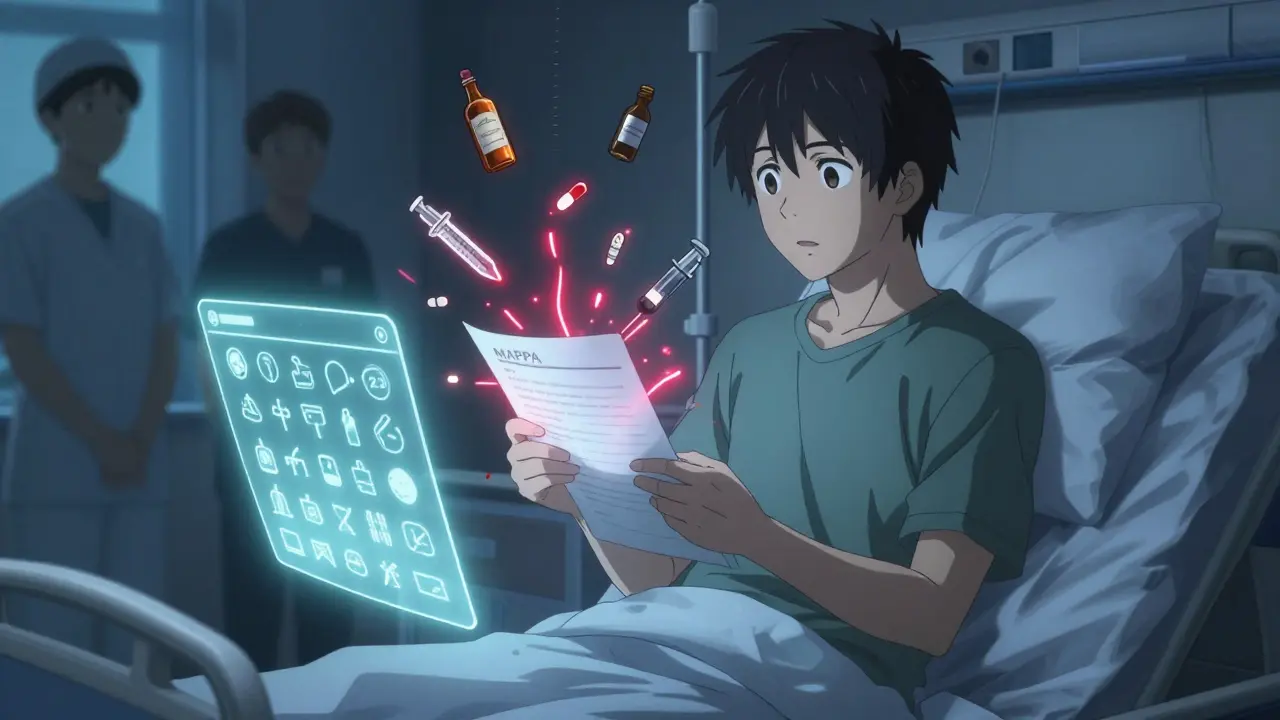
Every year, over 107,000 people in the U.S. die from drug overdoses. Many of these deaths aren’t caused by one drug alone - they happen when substances mix in dangerous ways. The most common killers? Opioids combined with alcohol, benzodiazepines, or other central nervous system (CNS) depressants. These combinations don’t just add up - they multiply risk. A person taking oxycodone and drinking wine might not realize they’re increasing their chance of stopping breathing by 67%. Or someone on Xanax and fentanyl could be 10 times more likely to die than if they were using either alone. The good news? Almost 90% of these deaths are preventable - if you know how to check for these interactions.
What Makes a Drug Interaction Deadly?
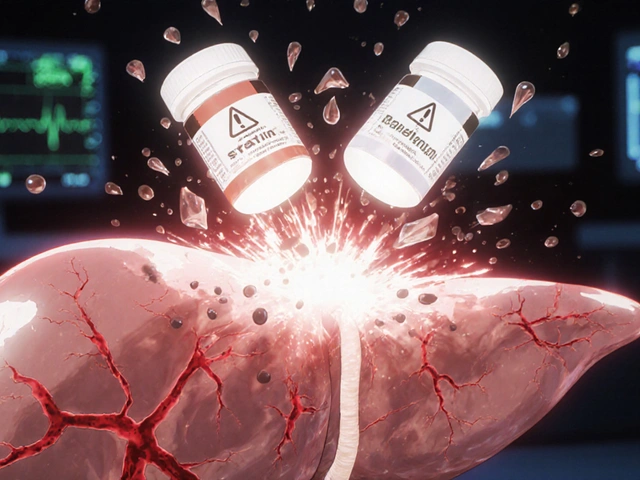
Not all drug interactions are the same. Some cause nausea or dizziness. Others can shut down your breathing. The most dangerous ones happen when two or more drugs slow down your central nervous system. This includes opioids like oxycodone, hydrocodone, or fentanyl; benzodiazepines like Xanax, Valium, or Klonopin; alcohol; sleep aids like Ambien; and even some muscle relaxants. When these mix, your brain loses its ability to signal your lungs to breathe. You don’t wake up. You don’t gasp. You just stop. That’s why overdose deaths from polydrug use are so hard to predict - because people often don’t realize they’re combining lethal ingredients.According to the CDC, 75% of opioid-related overdoses involve other substances. It’s not just illegal drugs. Prescription meds, over-the-counter sleep aids, and even herbal supplements can be part of the problem. A 2022 study in JAMA Internal Medicine found that people taking opioids and benzodiazepines together had a 10.3 times higher risk of death than those on opioids alone. That’s not a small risk - it’s a life-or-death multiplier.
How to Check for Dangerous Interactions - Step by Step
You don’t need a medical degree to check for these risks. Here’s what works, based on real-world evidence from clinics, pharmacies, and harm reduction programs:- Ask about everything - not just prescriptions. If your doctor only asks, “Are you taking any other medications?” you’ll likely say no. Most people don’t think of alcohol, marijuana, or Valium they got from a friend as “medications.” Instead, ask: “Do you ever take medicines not prescribed to you?” A 2022 study in Addiction found this single change increased honest answers by 52%.
- Use the Overdose Risk Assessment Card. Many harm reduction groups use a simple card listing 23 common substances - from heroin and fentanyl to Ambien and cough syrup. Instead of asking for brand names, they ask: “Have you used any of these in the last week?” This cuts through stigma and gets real answers. It’s how outreach workers identify 94% of dangerous combinations.
- Know street names. Fentanyl isn’t always labeled. “Molly” might mean MDMA - or it might be pure fentanyl. “Blues” could be oxycodone or counterfeit pills. If someone says they’re using “downers” or “yellow birds,” ask what that actually is. NIDA reports that 73% of dangerous interactions involve drugs with multiple street names.
- Check digital tools - but don’t trust them fully. The FDA’s Drug Interaction Checker and MedlinePlus update monthly with data on over 1,200 medications. They’re great for prescription drugs. But they miss everything illegal. A 2023 SAMHSA survey found 63% of dangerous interactions happen with substances not in these databases - like street fentanyl, synthetic cannabinoids, or adulterated cocaine.
- Use urine testing if self-reporting is unreliable. Studies show 58% of patients underreport benzodiazepine use. If someone is on opioids and denies using sedatives, a simple urine test can reveal hidden risks. This is now part of CDC guidelines for high-risk patients.
Who’s Most at Risk?
Some groups face much higher danger:- People who stop using opioids and then restart. Tolerance drops fast. After just 72 hours without opioids, your body loses 30-50% of its tolerance. That means a dose you used to handle can now kill you.
- Older adults. The Beers Criteria lists 56 dangerous combinations for people over 65. Mixing opioids with sleep aids or antihistamines is common - and deadly.
- People with breathing problems. Asthma, COPD, or sleep apnea? Any CNS depressant increases overdose risk by 4.2 times. Even one pill can be too much.
- People who inject drugs. Injecting increases overdose risk by 300% compared to swallowing pills. Why? Faster delivery. No warning signs. No time to react.

What’s Missing From Digital Tools?
Most apps and websites only check prescription drugs. They don’t know about:- Street fentanyl or carfentanil
- Illicitly made benzodiazepines (like “purple haze” or “zombie pills”)
- Drugs bought online that aren’t labeled
- Medicines shared with friends or family
Dr. Wilson Compton of NIDA says bluntly: “Current digital tools miss 78% of dangerous interactions involving illicit fentanyl analogs.” That’s why asking direct, non-judgmental questions is still the gold standard. A pharmacist in Brisbane told me, “I had a patient who said he only took his painkiller. Turns out, he was crushing pills and snorting them - and mixing them with sleeping pills his daughter gave him. No app could have flagged that.”
Real Stories - What Works and What Doesn’t
One Reddit user, u/HarmReductionRN, wrote: “In 12 years of ER work, I’ve seen 217 overdose cases where patients denied using benzodiazepines - until after naloxone. Then 82% admitted they’d mixed them.”Another person shared: “My doctor asked, ‘Do you ever take things not prescribed to you?’ I said yes - I was taking Xanax for anxiety. She gave me naloxone and a plan. That saved my life.”
But then there’s the story of someone who overdosed on what they thought was heroin. It was fentanyl-laced cocaine. No app warned them. No doctor asked. They didn’t even know fentanyl was in it.
The difference? One person was asked the right question. The other wasn’t.

What You Can Do Right Now
If you or someone you know uses opioids, alcohol, or sedatives:- Use the National Harm Reduction Coalition’s free Overdose Risk Self-Check - it’s available in 12 languages and takes 5 minutes.
- Keep naloxone (Narcan) on hand. It reverses opioid overdoses. You don’t need a prescription in most states.
- If you’re prescribed an opioid, ask your doctor: “Have you checked for interactions with alcohol, benzodiazepines, or sleep aids?”
- Don’t assume your pharmacist knows everything. Tell them about everything you’re using - even if it’s not prescribed.
- Carry a list of substances you use. Write them down. Include street names. Bring it to every appointment.
It’s not about shame. It’s about survival. The goal isn’t to stop using drugs - it’s to keep you alive while you use them. Harm reduction isn’t permissive. It’s practical. And it works.
Why This Matters More Than Ever
In 2024, the FDA updated its Drug Interaction Checker to include 47 new fentanyl analogs and 12 synthetic opioids. That’s progress. But technology alone won’t save lives. The real breakthroughs happen when someone asks, “Have you used any of these in the last week?” - and actually listens to the answer.Every state in the U.S. now has some form of prescription monitoring. But only 17% of syringe service programs have access to a pharmacist who can check for interactions. That’s a gap. And people are dying in that gap.
The solution isn’t more apps. It’s more honest conversations. More training for doctors. More funding for outreach workers who go door to door asking questions no one else will.
If you’re reading this, you’re already taking a step. Now take one more: talk about it. Ask. Listen. Share. You might save a life.


Comments
Look, I get that harm reduction sounds noble, but let’s be real - if you’re mixing fentanyl with Ambien and calling it ‘self-care,’ maybe the problem isn’t the lack of a checklist. It’s the refusal to admit you’re not in control. I’ve seen too many ‘harm reduction’ posters that feel like glorified permission slips. You don’t need an app. You need a wake-up call. And yeah, I’m that guy who says it out loud.
The step-by-step guide here is one of the clearest I’ve seen. Asking ‘Do you ever take medicines not prescribed to you?’ is a game-changer. I work in primary care, and that single question has uncovered more dangerous combinations than any electronic alert system. It’s not about technology - it’s about trust. When patients feel judged, they lie. When they feel heard, they tell the truth. Simple.
I’ve been researching this for months. Did you know the CDC’s data on overdose deaths is partially funded by pharmaceutical lobbying? The 107,000 figure? Probably inflated to justify more surveillance programs. And that ‘Overdose Risk Self-Check’ link? It’s hosted by an NGO that takes grants from opioid manufacturers. Something’s off. I’m not saying harm reduction is bad - I’m saying the narrative is being shaped by people with vested interests.
I am absolutely appalled by the casualness with which this article treats substance use as a mere logistical puzzle. We are not talking about a forgotten vitamin supplement. We are talking about lives - shattered, silenced, erased - reduced to statistics in a spreadsheet. And yet, here we are, with bullet points and checklists, as if death by respiratory arrest is just another box to tick off on a Sunday afternoon to-do list. Where is the humanity? Where is the grief? Where is the moral weight?
In India, we don’t have naloxone in every pharmacy. We don’t even have proper records. But we do have elders who say: ‘If you mix things, you die.’ No app. No card. Just wisdom passed down. Maybe the real solution isn’t more tools - it’s respect. People know when they’re playing with fire. They just need someone to say: ‘I see you. I’m not here to judge. But I won’t look away either.’
Stop giving people tools. Start giving them consequences.
I read this at 2 a.m. after my cousin almost didn’t wake up. I didn’t know he was taking Xanax with his pain meds. I thought he was just ‘relaxing.’ This article didn’t scare me - it made me feel less alone. Thank you for writing it like a human, not a textbook.
I can’t believe people are still debating whether this is a ‘public health issue’ or a ‘moral failure.’ It’s BOTH. And I’m tired of pretending we’re not all just one bad decision away from becoming a statistic. My ex died last year - crushed by a pill he thought was OxyContin. It was fentanyl. No warning. No second chance. And now I have to live with the fact that I didn’t ask him the right question. I’m not okay. And I’m not sure I ever will be.
Too long. Didn’t read.
I’m from Indonesia. We don’t have this problem the same way. But I’ve seen what happens when people don’t talk. My cousin took a ‘sleeping pill’ from a friend. It was ketamine mixed with fentanyl. He didn’t die. But he lost his job, his family, his sense of self. This article? It’s not just for Americans. It’s for anyone who’s ever trusted a stranger’s pill.
The efficacy of such harm reduction protocols is predicated upon an implicit assumption of institutional legitimacy, which, in the context of contemporary American pharmacopolitics, is fundamentally untenable. One cannot rely upon a system that simultaneously criminalizes substance use while offering ‘resources’ that are underfunded, undertrained, and under-resourced. The very architecture of the solution is complicit in the pathology.
I just shared this with my sister. She’s been on opioids for years. I didn’t know she was also taking melatonin and NyQuil. I cried. Then I printed the checklist. We’re going to the pharmacy tomorrow. Thank you. 🙏❤️
ok so like i read this whole thing and honestly? the part about asking ‘do you ever take things not prescribed to you’? that’s the whole thing. like, my cousin took a pill from her roommate for anxiety and it was fentanyl. she didn’t even know. she thought it was just a ‘little blue’. no one asked. no one checked. just… silence. so yeah. just ask. don’t be weird about it. just ask.