Author: Nigel Watt

Opioids and Low Testosterone: Symptoms and Treatment Options

Opioids and Low Testosterone: Symptoms and Treatment Options

Opioids can suppress testosterone production, leading to fatigue, low libido, muscle loss, and depression. Learn the symptoms, how it's diagnosed, and treatment options including testosterone replacement therapy and natural approaches.

Read more
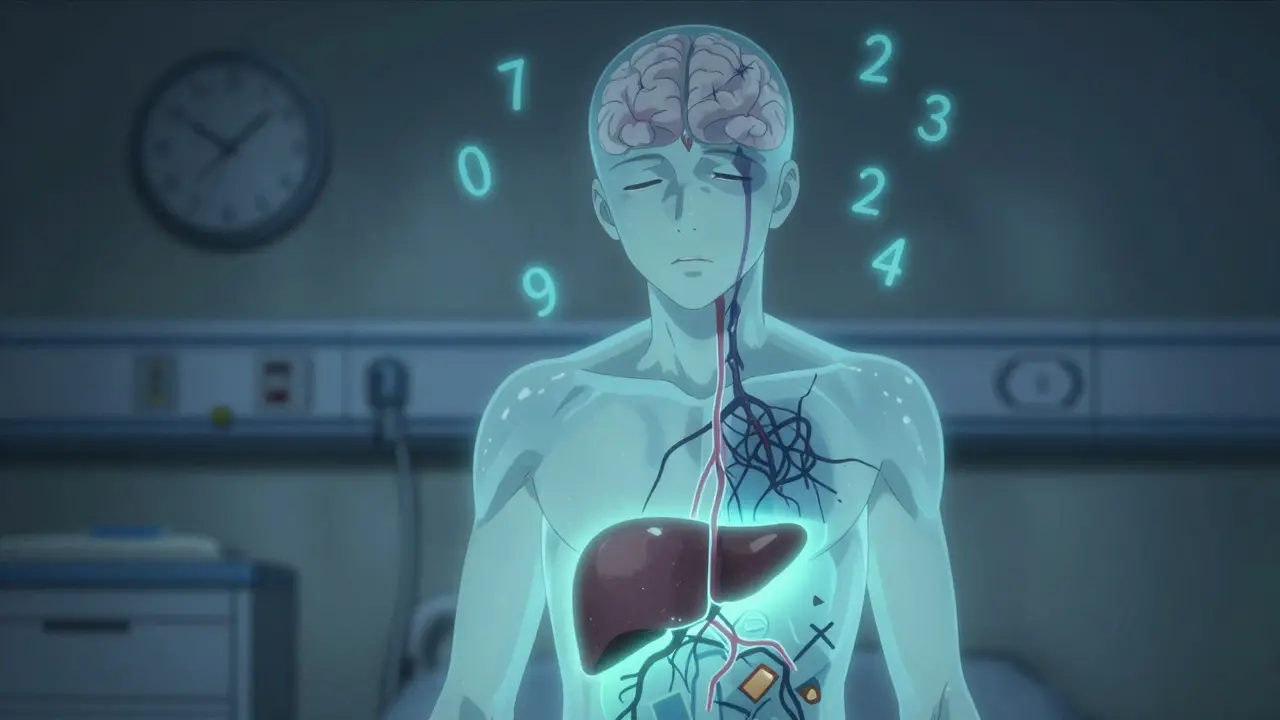
Hepatic Encephalopathy: Understanding Confusion, Lactulose, and How to Prevent It

Hepatic Encephalopathy: Understanding Confusion, Lactulose, and How to Prevent It

Hepatic encephalopathy causes confusion and cognitive decline in people with advanced liver disease. Lactulose is the cornerstone treatment, reducing ammonia levels and preventing hospitalization. Prevention focuses on managing triggers like infections and diet - not just medication.

Read more
Opioids in Older Adults: Risks of Falls, Delirium, and How to Adjust Doses Safely

Opioids in Older Adults: Risks of Falls, Delirium, and How to Adjust Doses Safely

Opioids in older adults carry high risks of falls, delirium, and death due to age-related changes in metabolism. Safe dosing, careful monitoring, and non-drug alternatives are essential for protecting seniors.

Read more
Generic vs Brand Identification in Pharmacy Systems: Best Practices for Accurate Medication Management

Generic vs Brand Identification in Pharmacy Systems: Best Practices for Accurate Medication Management

Learn how pharmacy systems accurately identify generic and brand drugs using NDC codes, FDA Orange Book data, and therapeutic equivalence rules. Best practices for safe, compliant, and cost-effective medication management.

Read more
How to Check for Drug Interactions That Increase Overdose Risk

How to Check for Drug Interactions That Increase Overdose Risk

Learn how to check for dangerous drug interactions that raise overdose risk - especially when opioids mix with alcohol, benzodiazepines, or street drugs. Discover practical steps, real tools, and what works better than apps.

Read more
Urinary Retention from Medications: How Anticholinergics Can Stop You from Peeing

Urinary Retention from Medications: How Anticholinergics Can Stop You from Peeing

Anticholinergic drugs for overactive bladder can cause dangerous urinary retention, especially in men over 65. Learn how these medications work, who’s at risk, and what safer alternatives exist.

Read more
Medication Dosage Adjustments for Aging Bodies and Organs

Medication Dosage Adjustments for Aging Bodies and Organs

As you age, your body processes medications differently. Learn why standard doses can be dangerous for seniors and how kidney function, liver health, and body composition require personalized dosing to avoid falls, confusion, and hospitalizations.

Read more
FDA Foreign Facility Inspections: What Overseas Food Plants Must Now Do

FDA Foreign Facility Inspections: What Overseas Food Plants Must Now Do

The FDA now conducts unannounced inspections of overseas food plants to match U.S. standards. Here's what foreign manufacturers must do to avoid shipment refusals and legal penalties.

Read more
Poison Control Hotline: How It Works and What to Report About Medications

Poison Control Hotline: How It Works and What to Report About Medications

Learn how the Poison Control Hotline works, what details to report about medications, and why calling early can prevent hospital visits. Free, expert help is just a phone call away.

Read more
HIV and AIDS: Modern Treatment, Medications, and Quality of Life

HIV and AIDS: Modern Treatment, Medications, and Quality of Life

Modern HIV treatments like lenacapavir and Biktarvy have transformed HIV from a daily burden into a manageable condition with injections every six months. Learn how these advances improve quality of life-and why access remains unequal.

Read more